

Consuelo M Reddick, MD
I work collaboratively with patients, ensuring they feel heard, respected, and informed. I emphasize psychoeducation to empower patients in their treatment journey and encourage open communication to build trust and partnership. I treat a range of conditions, including anxiety, depression, and ADHD, in both children and adults. An initial assessment with me includes a thorough review of personal and medical history, identification of concerns, and the development of treatment goals. I often integrate supportive therapy with medication management to provide individualized, effective care that promotes both symptom relief and long-term well-being.
I completed my medical degree and adult psychiatry residency at the University of Alabama at Birmingham, followed by fellowship training in child and adolescent psychiatry at Harvard Medical School's Cambridge Hospital. I am double board-certified in general psychiatry and child and adolescent psychiatry. My career has included roles in inpatient and outpatient care, academic settings, consulting, and telepsychiatry across multiple states.


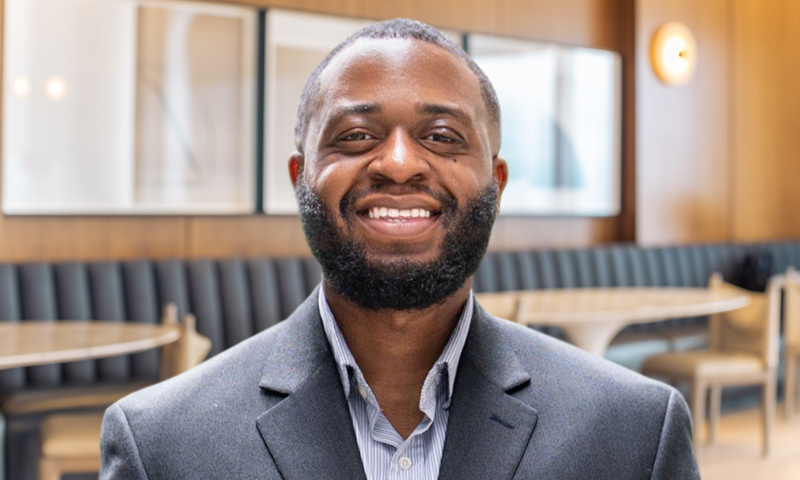
Darius Stephens, MD
Darius Stephens, MD, is a psychiatrist trained at Morehouse School of Medicine with residency at Howard University Hospital in Washington, D.C. He has experience across adult inpatient and outpatient settings, including acute care, medication management, and administrative psychiatry alongside hospital leadership. His work centers on general adult outpatient care with a focus on evidence-based treatment, patient education, and shared decision-making. He is a member of the APA, AMA, and ASAM.
Dr. Stephens takes a direct, collaborative approach, offering honest conversations about diagnoses, options, and expectations. He creates a respectful, nonjudgmental space where patients feel comfortable discussing sensitive topics. Dr. Stephens prioritizes understanding the whole person, incorporating cultural background and life context, and is committed to serving minority and underserved communities.
Dr. Stephens begins with a thorough psychiatric evaluation to understand history, concerns, and goals. He develops individualized plans that may include medication, lifestyle strategies, and therapy referrals. He explains the reasoning behind decisions so patients stay informed and engaged, and he adjusts care collaboratively based on progress and feedback.
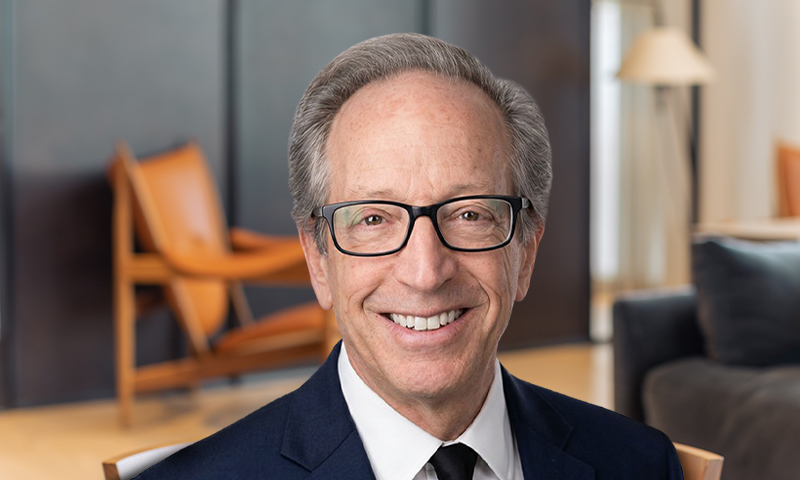
David Schlager, MD
Dr. David Schlager is a board-certified psychiatrist with extensive experience across inpatient, outpatient, and telemedicine settings. He specializes in treating depression and bipolar disorders, anxiety and sleep disorders, ADHD, and mental health issues associated with complex medical conditions or co-occurring substance use concerns. Dr. Schlager earned his medical degree from Tufts University School of Medicine, completed his psychiatry residency at Mount Sinai Hospital in New York City, and completed a research fellowship at Columbia University/New York State Psychiatric Institute, where he later conducted research focused on seasonal depression and sleep disorders.
Over long years of practice Dr. Schlager has witnessed, and so in every new case aims for, marked improvement in both emotional distress and day to day function. He is known for being attentive, compassionate, and nonjudgmental and eagerly supports Talkiatry's mission to provide expert mental health care by reducing geographic and insurance obstacles that traditionally limited access.
Dr. Schlager begins by listening openly to each patient's story, including any past experiences of trauma that may be contributing to their current distress. Interviews progress from conversational overview to more specific and problem focused discussion. Diagnosis and treatment response are often best determined by what patients report rather than by conventional blood testing or imaging. As such, he takes care at every stage to help patients articulate their condition and specific concerns, to recognize their meaning in a psychological and social context, and to regularly update goals of care.

David Weber, MD
Believing that each patient is more than a diagnosis, I take a personalized approach, collaborating closely with individuals to develop tailored treatment plans. I view myself as an advisor and facilitator, empowering patients to take charge of their recovery. My areas of focus include ADHD (Focus & Cognitive Function), Anxiety & Depression (Mood, Sleep, & Energy Concerns), and Stress & Brain Fog (Cognitive & Emotional Well-Being).
I am a highly experienced psychiatrist and medical doctor with dual specialties in psychiatry and primary care medicine. My comprehensive approach integrates both disciplines, allowing me to address mental health concerns with a deep understanding of their medical and psychological aspects. I earned my Doctor of Medicine (MD) from Southern Illinois University School of Medicine and pursued advanced training at Walter Reed Army Medical Center, Harvard University, and Georgetown University Medical Center. I am Board-Certified in General Psychiatry and Fellowship-Trained in Forensic Psychiatry and Occupational Medicine, equipping me with the expertise to diagnose and treat a broad spectrum of mental health conditions, considering both medical and psychiatric factors.
I am an experienced, compassionate, and dedicated advocate for my patients' mental and physical health. I strongly believe in a collaborative, patient-centered approach to treatment, helping individuals achieve their personal and professional goals. Guided by the ethos, "Treat them like you would your own family," I am dedicated to providing compassionate, high-quality care.
Committed to a well-balanced life, I am married and have two married daughters, two grandsons, and three dogs. My wife, a clinical psychologist, helps ground my therapeutic approach, emphasizing the importance of integrating therapy with medication to enhance overall well-being.
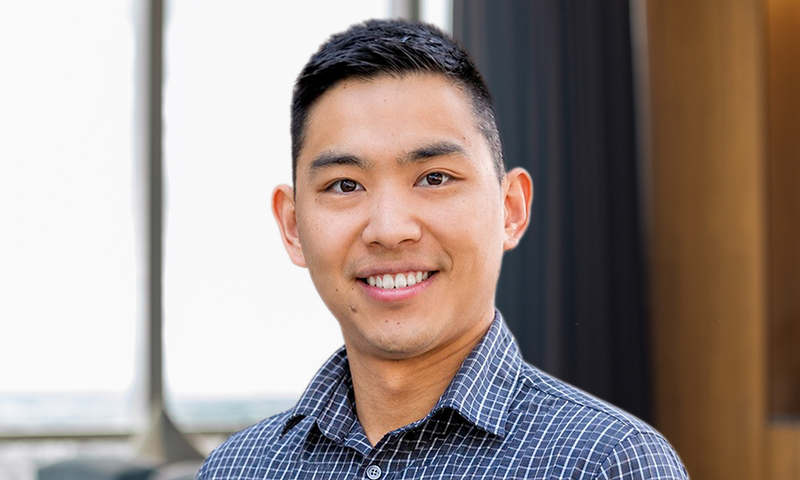
David Zhang, MD
I am a board-eligible Psychiatrist specializing in general adult psychiatry, with a focus on depression, anxiety, bipolar disorder, OCD, and ADHD in adults ages 18-64. My interest in psychiatry comes from understanding patients’ narratives and helping guide, educate, and empower them in their healing journey. Outside of work, I enjoy volleyball, rock climbing, soccer, and playing piano.
I take a holistic, collaborative approach and work closely with patients to address their concerns and priorities. I combine medication management with supportive therapy and lifestyle interventions. I value long-term relationships, continuity of care, and building trusting, supportive connections with my patients.
My approach typically includes medication management and supportive therapy. I partner with each patient to develop care that fits their goals and needs, while providing education and encouragement so they can actively participate in their treatment and healing.
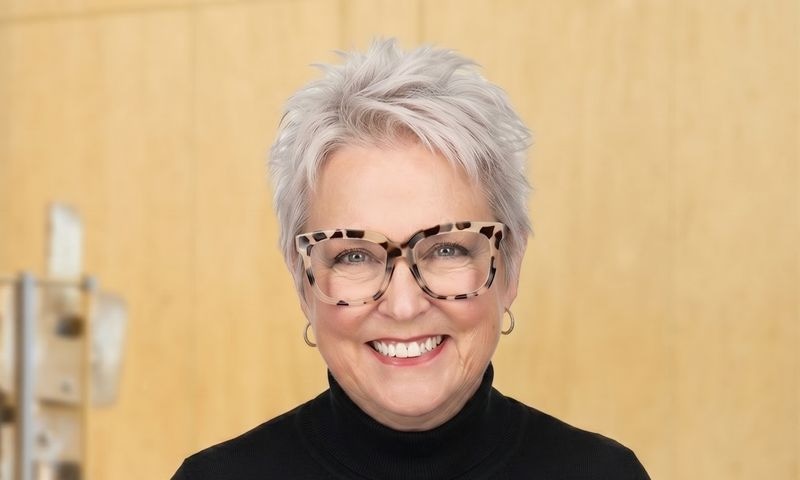
Deborah Gross, MD
Deborah Gross, MD, earned her medical degree from the University of Texas Health Science Center in San Antonio and completed her psychiatric residency at the University of Washington. She is board certified by the American Board of Psychiatry and Neurology and has extensive experience treating mood and anxiety disorders, trauma, addiction, disordered eating, and personality disorders in both outpatient and inpatient settings. She is also ASAM-certified in addiction medicine and holds a lifetime certificate from the American Board of Addiction Medicine. Dr. Gross is the author of a three-book series supporting women with disordered eating.
Dr. Gross creates a warm, supportive environment where patients feel heard and respected. As a writer, she values each patient’s story and uses it to better understand their challenges and guide treatment. She prioritizes open communication and collaborates closely with patients to establish clear, meaningful goals.
Dr. Gross begins with a comprehensive understanding of each patient’s history, concerns, and goals. She develops individualized treatment plans aligned with those goals and remains attentive as care progresses, adjusting strategies as new insights emerge.

Duy Tran, MD
My practice primarily focuses on medication management, though I use a holistic approach in developing individualized treatment plans. I typically incorporate elements of various psychotherapy modalities, including supportive, cognitive behavioral (CBT), dialectical behavioral (DBT), and insight-oriented therapy, in 30- or 45-minute follow-up visits. Occasionally, I may believe that more intensive therapy is needed and recommend that you bring a dedicated therapist into your care team for an optimal outcome. I aim to provide mental health care that helps patients live more fulfilling lives.
I am a board-certified adult psychiatrist. I received my medical doctorate degree from the University of Texas Southwestern Medical School and completed my residency training in general psychiatry at the University of Michigan. During my training, I gained extensive experience treating psychiatric disorders in diverse populations, including college students, LGBTQ+ individuals, perinatal women, veterans, and those with socioeconomic disadvantages. I have worked with experts on cases of treatment-resistant depression and provided consultations for patients considering procedural interventions, such as transcranial magnetic stimulation (TMS), electroconvulsive therapy (ECT), and ketamine infusion therapy.

Earl Andrew De Guzman, MD
I am an adult psychiatrist with a background in psychodynamic psychotherapy and mentalization-based treatment. I work with adults who want a thoughtful, collaborative process for making sense of their symptoms, relationships, life experiences, and treatment options. My practice may be a good fit if you are looking for more than a quick medication change or immediate symptom relief. Getting to know what has brought you in—and what may be contributing to your concerns—takes time. Medication is not always started at the first visit. I aim to develop a treatment plan with you that is careful, individualized, and grounded in a fuller understanding of your situation.
A strong working relationship is central to treatment. In my view, it means:
- We are both invested in the work and in building a productive relationship.
- We have a shared understanding of what we are working toward.
- We agree on how we will work together to get there.
My ultimate goal is to cultivate an ongoing relationship with you as your psychiatrist that is built on these three foundations. They are important for treatment to be effective. If we are not able to build them together, it may be best to consider a different approach or psychiatrist who feels like a better fit.
If you are seeking an ADHD evaluation, I take time to look at the whole picture. Difficulty with attention can be related to stress, sleep problems, mood or anxiety symptoms, trauma, medical conditions, or other life circumstances. Stimulant medications are not right for everyone with attention concerns and can be harmful in some situations. A careful evaluation is important before deciding whether they are appropriate.
If your care with a previous psychiatrist has been interrupted, I understand that you may be looking to re-establish treatment and continue medications. At the same time, diagnoses made or medications started by another clinician may not always be appropriate to continue without further evaluation. Depending on your situation, this may include reviewing prior records, speaking with collateral contacts when appropriate, reviewing or obtaining laboratory testing, and coordinating with an established primary care clinician. This process, including medication decisions, may take more than one visit.
My practice is not designed for people who need a higher level of care, such as inpatient treatment, partial hospitalization programs (PHP), intensive outpatient programs (IOP), or specialized eating-disorder or substance abuse treatment. I may also not be the best fit for people with complex medical needs, chronic benzodiazepine treatment, or active substance-use concerns that need more intensive or specialized support. When another level or type of care would better meet your needs, I will help direct you to an appropriate treatment setting.

Elena Volfson, MD
Dr. Elena Volfson is a double board-certified psychiatrist in General Adult Psychiatry and Addiction Psychiatry. She earned her medical degree from St. Petersburg Pavlov Medical University, completed advanced training in the U.S., and has held leadership, teaching, and clinical roles at nationally recognized institutions. She has also been honored as a Top Doctor and named a Distinguished Fellow of the American Psychiatric Association.
Dr. Volfson believes medication can support recovery but is not a replacement for psychotherapy. Her treatment philosophy combines thoughtful medication management with evidence-based psychotherapy, creating an individualized approach that helps patients build lasting skills and achieve meaningful progress.
Dr. Volfson partners with each patient to understand their goals, concerns, and unique needs. She develops personalized treatment plans that integrate psychotherapy into every visit, using medication when appropriate while emphasizing collaboration, education, and long-term wellness.

Ethan Atwood, MD
I emphasize a holistic approach to mental health care, combining medication management with supportive therapies. I believe in a collaborative approach, working closely with my patients to develop treatment goals and adjust treatment strategies as needed. I am committed to providing ongoing support and guidance, ensuring that patients feel confident and supported throughout their mental health journey.
I am a board-certified psychiatrist. I earned my medical degree from the College of Medicine at the University of Arkansas for Medical Sciences. I completed my psychiatry residency and fellowship at the University of Alabama at Birmingham, and I completed a forensic fellowship at the University of Arkansas for Medical Sciences.

Fang Yang, MD
I specialize in treating depressive disorders, bipolar disorders, anxiety, substance use disorders, ADHD, and trauma-related disorders. I employ medication management combined with supportive therapy and motivational interviewing techniques, and I emphasize building strong therapeutic relationships, tailoring treatment to each patient's unique goals and needs.
I am board-certified in both General Psychiatry and Addiction Psychiatry. I received my medical degree from the Medical School of Nanjing University in China and completed my Ph.D. in Neuroscience at the State University of New York in Buffalo. I conducted neuroscience research at Tufts University and Columbia University. I completed my residency in Psychiatry at the University of Texas Health Science Center at Houston, McGovern Medical School (UTHealth), and a fellowship in Addiction Psychiatry at Baylor College of Medicine. I have held academic positions at Baylor College of Medicine, supervising medical students, residents, and physician assistant students.
In the initial visit, patients can expect a detailed, personalized evaluation. I will explore symptoms, medical history, personal goals, and treatment preferences to design an individualized care plan. Patients can expect a compassionate, collaborative approach with clear communication about medication management options and supportive therapeutic strategies aimed at improving their overall well-being.

Garrick Gaffney, DO
I specialize in treating complex psychiatric conditions, including depression, anxiety, PTSD, OCD, bipolar disorder, and insomnia. As a proponent of holistic care, I integrate psychotherapy into medication management and emphasize lifestyle modifications and evidence-based integrative medicine. New patients receive comprehensive evaluations to rule out medical causes of symptoms, followed by tailored treatment plans combining therapy, medication, and lifestyle adjustments. Follow-up visits focus on symptom management through supportive, brief dynamic, or cognitive behavioral therapy, with frequent appointments until stabilization is achieved. I am committed to collaborative, patient-centered care that addresses both mental and physical well-being.
I am board certified in psychiatry by the American Board of Psychiatry and Neurology (ABPN). I earned my medical degree from Kansas City University and completed my psychiatry residency at John Peter Smith Hospital in Fort Worth, Texas. During medical school, I pursued advanced training as an Osteopathic Manipulative Medicine fellow. As a resident, I served as Chief Academic Resident and earned accolades such as Intern of the Year and Outstanding Educator of the Year twice consecutively. I have presented case studies and quality improvement projects at national conferences, including the American Psychiatric Association (APA), Academy of Consultation-Liaison Psychiatry, and Association for Academic Psychiatry.
A combat veteran, I served in the U.S. Marine Corps, including a tour in Iraq, and was honored with the Navy and Marine Corps Achievement Medal and a Certificate of Commendation for exemplary leadership.
Find a psychiatrist in Austin, TX
Getting a psychiatry appointment in Austin can mean long waits and a short list of nearby providers who are taking new patients. Online psychiatry changes that. You can meet with a psychiatrist licensed in Texas by secure video, from home or anywhere in the Austin area, without sitting on a waitlist for months.
Because care is online, you are not limited to the clinicians who are close to you. You get matched based on your needs, then meet from wherever you are.
Online psychiatry for Austin residents
When you start with Talkiatry, you answer a few questions about your location, what you are dealing with, and your mental health history. From there, you get matched with a psychiatrist licensed in Texas, so you can be seen by video from anywhere in Austin.
Your first appointment lasts 60 minutes, which gives you time to talk through your symptoms, ask questions, and work with your psychiatrist on a plan that fits your life. Follow-up visits are usually about 30 minutes. Every visit happens by video, so there is no commute and no office to drive to across town.
What a psychiatrist in Austin can help with
Talkiatry psychiatrists are medical doctors who evaluate what you are experiencing and personalize care around it. Medication may be one part of your plan, but it is never the automatic result of a visit. Depending on your needs and availability, therapy may also be part of the plan, and psychiatrists work alongside therapists to support that.
Psychiatrists at Talkiatry work with people on conditions such as:
- Anxiety: ongoing worry, tension, or panic that gets in the way of daily life.
- Depression: low mood, loss of interest, or fatigue that lasts for weeks.
- ADHD: trouble with focus, follow-through, and impulsivity across settings.
Mental health care in Austin
Across Texas, there are 393 designated mental health Health Professional Shortage Areas covering about 13.44 million people, and only about 32.2% of the need for psychiatric care is currently met (KFF). For someone in Austin, that shortage is one reason appointments can be hard to find and wait times can feel long. Online psychiatry helps by connecting you with a licensed psychiatrist across the state, rather than limiting your options to the providers in your immediate area.
Does insurance cover a psychiatrist in Austin?
Talkiatry is in-network with major insurers, and your coverage is verified during the free assessment before you schedule a visit. What you pay out of pocket depends on your specific plan, so it is worth confirming the details with your insurer. You will not need to look up your insurance information ahead of time; the assessment checks it for you.
Psychiatry across Texas
For the full list of psychiatrists licensed across the state, visit our Texas psychiatrist page. If you are closer to another metro or splitting time between cities, you can also see care options in Dallas and Houston.
Start with a free assessment
Answer a few questions online, get matched with a psychiatrist licensed in Texas, and schedule a video visit, often within days. Take our free online assessment.
Sources:
Can I see a psychiatrist online in Austin?

Yes. You can meet with a psychiatrist licensed in Texas by secure video from anywhere in Austin. You get matched after a short online assessment, then schedule your first visit.
Do I need a referral to see a psychiatrist in Austin?
No referral is needed to get started with Talkiatry. You begin with a free online assessment, and if online psychiatry is a good fit, you get matched with a psychiatrist licensed in Texas.
Does insurance cover online psychiatry in Austin?
Talkiatry is in-network with major insurers, and your coverage is checked during the free assessment before you schedule. Your out-of-pocket cost depends on your plan, so confirm the specifics with your insurer.
Can I get a prescription from an online psychiatrist in Austin?
A psychiatrist can prescribe and manage medication when it is clinically appropriate and legally permitted. Medication is one possible part of a plan, not a guaranteed outcome, and your psychiatrist decides with you based on your evaluation.
Why is it so hard to see a psychiatrist in Austin?
Texas has a shortage of psychiatric providers, so local appointments can fill up and waits can be long. Online psychiatry helps by matching you with a licensed psychiatrist across the state instead of only those near you.
How soon can I see a psychiatrist in Austin?
Many people are seen within days rather than months. Timing depends on your schedule and match, so there is no fixed promise, but online scheduling is designed to be faster than waiting for a nearby opening.