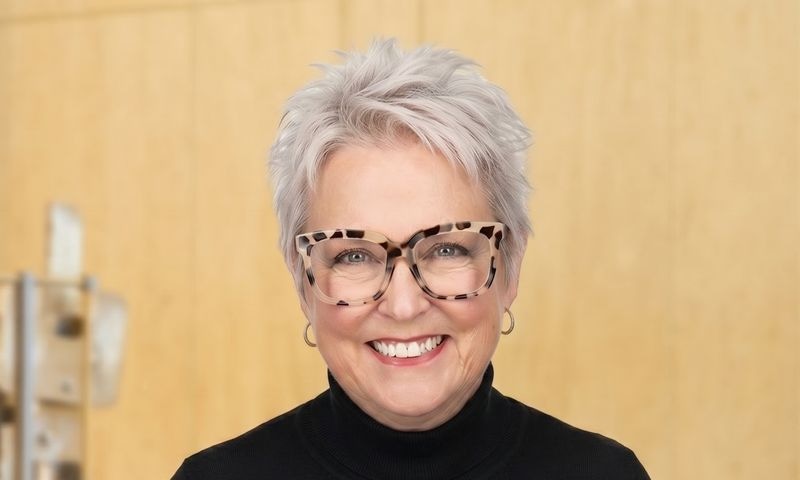
Dr. Deborah Gross, MD
Deborah Gross, MD, earned her medical degree from the University of Texas Health Science Center in San Antonio and completed her psychiatric residency at the University of Washington. She is board certified by the American Board of Psychiatry and Neurology and has extensive experience treating mood and anxiety disorders, trauma, addiction, disordered eating, and personality disorders in both outpatient and inpatient settings. She is also ASAM-certified in addiction medicine and holds a lifetime certificate from the American Board of Addiction Medicine. Dr. Gross is the author of a three-book series supporting women with disordered eating.
Dr. Gross creates a warm, supportive environment where patients feel heard and respected. As a writer, she values each patient’s story and uses it to better understand their challenges and guide treatment. She prioritizes open communication and collaborates closely with patients to establish clear, meaningful goals.
Dr. Gross begins with a comprehensive understanding of each patient’s history, concerns, and goals. She develops individualized treatment plans aligned with those goals and remains attentive as care progresses, adjusting strategies as new insights emerge.


Dr. Ethan Atwood, MD
I emphasize a holistic approach to mental health care, combining medication management with supportive therapies. I believe in a collaborative approach, working closely with my patients to develop treatment goals and adjust treatment strategies as needed. I am committed to providing ongoing support and guidance, ensuring that patients feel confident and supported throughout their mental health journey.
I am a board-certified psychiatrist. I earned my medical degree from the College of Medicine at the University of Arkansas for Medical Sciences. I completed my psychiatry residency and fellowship at the University of Alabama at Birmingham, and I completed a forensic fellowship at the University of Arkansas for Medical Sciences.
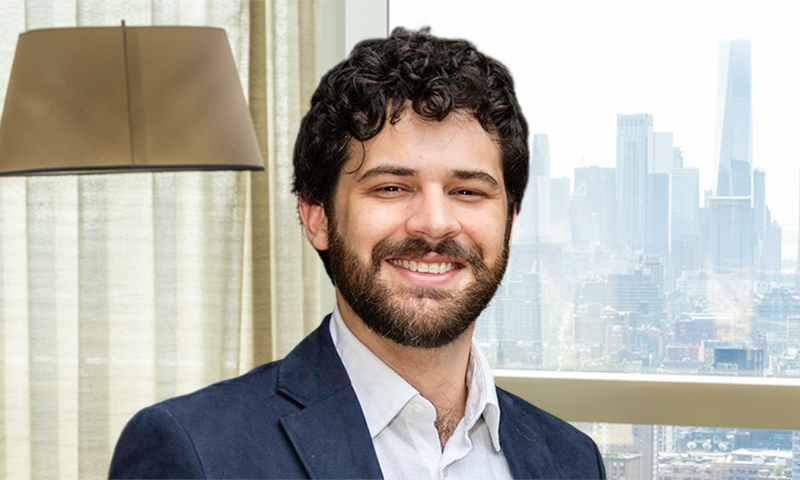
Dr. Grant DeFrancisco, DO
Dr. Grant DeFrancisco attended medical school at the Alabama College of Osteopathic Medicine. He began residency training in Family Medicine and completed his Psychiatry residency at the University of South Alabama. He has experience across multiple practice settings, including inpatient and outpatient psychiatry, addiction treatment, crisis intervention, and community health centers.
Dr. DeFrancisco uses an open-ended, conversational approach to help patients feel heard, welcomed, and comfortable seeking care. His goal is to understand not only what brings someone to treatment, but also the whole person and the factors that shape their well-being.
Dr. DeFrancisco develops individualized treatment plans based on a holistic understanding of each patient’s history. He tailors care to each person’s strengths and needs, using strategies that may include medication management, lifestyle adjustments, education, and therapeutic techniques.

Dr. Jennifer Yen, MD
I believe in a collaborative treatment approach that includes use of pharmacology, therapeutic interventions, and support networks. While versed in a broad range of mental disorders, I am most passionate about anxiety, depression, minority mental health, and acculturation and intergenerational conflicts. I enjoy finding creative ways to address ongoing treatment issues, and utilize digital media in the treatment setting.
I am a double board-certified child, adolescent, and adult psychiatrist who has practiced in a variety of settings, including private, community, and academic medicine. I obtained my medical doctorate and general psychiatry residency at the University of Texas Medical School at Houston before completing my child and adolescent psychiatry fellowship at Baylor College of Medicine. I am currently a Clinical Professor of Psychiatry and Behavioral Sciences at Baylor College of Medicine and have authored multiple peer-reviewed publications on pediatric mental health. I am also a Distinguished Fellow of the American Academy of Child and Adolescent Psychiatry and have been on the editorial board of Clinical Psychiatry News.

Dr. Kenneth Lai, MD
I believe psychiatry combines science and the art of medicine. I treat both adults and children/adolescents, with expertise in psychopharmacology, psychotherapy, addiction, geriatrics, and dual-diagnosis care. I am trained in TMS and ECT, am a Certified Suboxone Prescriber, and offer consultations and treatment through office-based or telemedicine visits. My approach is tailored to each patient's needs, integrating compassionate care with evidence-based treatment.
I acknowledge the many choices patients have in providers and strive to create a welcoming, collaborative, and supportive environment for everyone seeking care. Patients value my professionalism, patience, empathy, and attentive listening.
Before pursuing medicine, I explored a range of passions. After earning dual degrees in Biology and Biochemistry from the University of California, Riverside, I opened a popular Riverside eatery featured on The Food Channel. I later transitioned to the IT industry, earning a master's degree and certifications, before answering my true calling in medicine, graduating from Saint Matthews University School of Medicine.
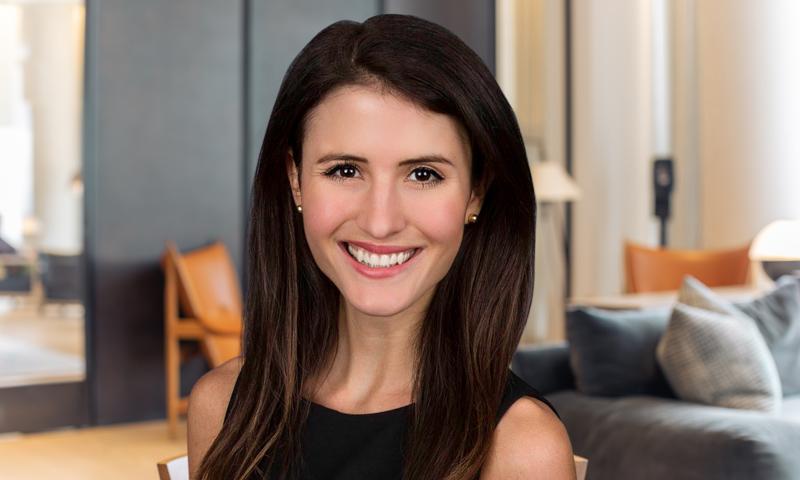
Madeline Morgan, MD
Dr. Madeline Morgan completed her undergraduate degree at Duke University and earned her medical degree from the University of Alabama at Birmingham (UAB) Heersink School of Medicine. She completed a Pediatrics internship, Psychiatry residency, and Child and Adolescent Psychiatry fellowship at UAB Medical Center, where she served as Chief Fellow from 2024–2025. Dr. Morgan is double board-certified in Adult Psychiatry and Child and Adolescent Psychiatry. She has cared for children, adolescents, and adults in inpatient and outpatient settings and now focuses on outpatient care for children, adolescents, and young adults, with interests in college/graduate student and athlete mental health.
Dr. Morgan prioritizes meaningful patient relationships and a collaborative approach to care. She partners with patients and families to create individualized treatment plans that align with their goals. Taking a holistic approach, she recognizes the connection between mental and physical health and incorporates evidence-based medication management and therapeutic strategies. Her expertise includes anxiety, depression and other mood disorders, trauma-related disorders, OCD, and ADHD. She strives to provide a supportive, nonjudgmental environment where patients feel heard, respected, and empowered.
Dr. Morgan begins with a comprehensive evaluation that includes a review of symptoms, medical and psychiatric history, diagnostic assessment, and treatment goals. She develops individualized treatment plans that may include medication management, therapeutic interventions, and psychotherapy referrals when appropriate. Through ongoing follow-up visits, she monitors progress, addresses concerns, adjusts treatment as needed, and incorporates supportive psychotherapy while coordinating additional therapy resources when beneficial.

Dr. Velda Pugh, MD
I value open communication and believe in building a warm, respectful environment where patients feel heard. I work collaboratively with patients to set clear treatment goals and tailor my approach to meet each person's unique needs. My practice emphasizes both medication management and supportive therapy to promote long-term well-being. During initial sessions, I take time to understand each patient's history, concerns, and goals, and I use a team-based approach, partnering with patients in treatment planning and decision-making to ensure care is both effective and aligned with their values.
I am a Board-Certified Psychiatrist with over three decades of experience in both outpatient and inpatient settings. I earned my medical degree from the University of Alabama School of Medicine and completed my psychiatry residency at University Hospital. I have previously served as Chief of Mental Health at a VA Hospital and have maintained a successful private practice focused on medication management and supportive therapy.
Find a psychiatrist in Alabama
Getting a psychiatry appointment in Alabama can mean long waits and few openings, especially outside the bigger metro areas. Talkiatry connects you with a psychiatrist licensed in Alabama who sees you by video, so you can be treated from anywhere in the state. Most patients are seen in days, not months, without a drive across the county or time off work.
How online psychiatry works in Alabama
You start with a free online assessment, then get matched with a clinician licensed in Alabama. Because your psychiatrist holds an Alabama license, you can meet from home over secure video, whether you live in Birmingham, Mobile, Montgomery, or a small town with no nearby provider or no one taking new patients.
Your first appointment lasts 60 minutes, which gives you time to talk through your symptoms, ask questions, and work with your psychiatrist on a plan. Follow-up visits are usually about 30 minutes, so you can check in on how treatment is going and adjust as needed. Everything happens online, on your schedule.
What a psychiatrist in Alabama can help with
Psychiatrists are medical doctors who focus on mental health. They evaluate your symptoms, work with you on a diagnosis, and build a treatment plan around your needs. Talkiatry psychiatrists in Alabama treat conditions including:
Because they are physicians, psychiatrists can prescribe and manage medication when it fits your situation. Medication is one possible part of a plan, not the automatic result of a visit. Depending on your needs, therapy may also be part of your care. Your psychiatrist listens first, then personalizes treatment to what will actually help you.
Does insurance cover a psychiatrist in Alabama?
Talkiatry is in-network with major insurers. During your free assessment, we verify your coverage before you schedule, so you know where you stand up front. What you pay out of pocket depends on your specific plan, so it is worth confirming the details with your insurance company. We do not ask you to guess at your benefits, and there are no surprise steps hidden later in the process.
Getting mental health care in Alabama
Alabama has 67 designated mental health professional shortage areas, covering about 2.93 million people, and only about 28.4% of the need for psychiatric care is currently met (KFF). Federal estimates suggest the state would need roughly 128 more practitioners to lift those shortage designations [1]. For you, that shortage often shows up as long waits or few local options. Online psychiatry helps by connecting you with a licensed psychiatrist across the state, rather than limiting you to the providers who happen to practice in your immediate area.
Start with a free assessment
Answer a few questions online, get matched with a psychiatrist licensed in Alabama, and schedule your video visit. Take our free online assessment.
Can I see a psychiatrist online in Alabama?

Yes. Talkiatry psychiatrists are licensed in Alabama and see patients by secure video. You meet from home on your own schedule, with no office to drive to.
Do I need to live in Alabama to be seen?
You need to be physically located in Alabama during your visit. Your psychiatrist is licensed in the state where you are at the time of the appointment, which is why care is organized this way.
Does insurance cover online psychiatry in Alabama?
Talkiatry is in-network with major insurers. We check your coverage during the free assessment before you schedule, and your out-of-pocket cost depends on your plan, so confirm the details with your insurance company.
Can a psychiatrist prescribe medication online in Alabama?
A psychiatrist can prescribe and manage medication when it is clinically appropriate and legally permissible. A prescription is never guaranteed, and some medications may not be available for online prescribing. Your psychiatrist will talk through your options with you.
How soon can I be seen?
Many patients are matched and scheduled within days rather than months. Timing depends on availability, so we cannot promise an exact date, but online care usually means a much shorter wait than finding a local opening.
Is it better to see a psychiatrist or a psychologist?
It depends on what you need. Psychiatrists are medical doctors who can diagnose conditions and prescribe medication, while psychologists focus on therapy and testing. If medication may be part of your care, a psychiatrist can evaluate that and build a full treatment plan.