James Niforatos, PMHNP
James Niforatos, PMHNP, has over a decade of experience managing complex medication regimens across inpatient units, outpatient care, medical floor consultations, community mental health clinics, and residential treatment settings. He completed graduate studies at the University of Illinois at Chicago with clinical rotations at Northwestern University Hospital and the University of Illinois Hospital System. He holds certifications as a Cognitive Behavioral Therapy Clinician (CBT-C), ADHD-CCSP, and Functional Medicine for ADHD Provider.
James uses a shared decision-making approach to establish goals and treatment plans. He emphasizes individualized, patient-centered care and values collaboration with therapists and other healthcare providers to support comprehensive treatment.
James begins by thoroughly understanding each patient’s history, concerns, and goals during the initial session. He then develops individualized treatment plans aligned with those goals, focusing on improving understanding and management of mental health conditions to support personal, academic, and professional well-being. His approach is holistic, incorporating medication management alongside attention to nutrition, activity, relationships, and reduction of risky substance use.


Margaret Johnson, PMHNP
Margaret Johnson, PMHNP, earned her Master’s Degree from Vanderbilt University School of Nursing in 2006 and completed advanced doctoral studies in clinical psychology. She has extensive experience in outpatient, inpatient, geriatric, military, and veteran-focused psychiatry, along with certifications in CBT, DBT, integrative psychiatry, nutritional psychiatry, medical ketamine-assisted therapy, psychedelic psychiatry, and bioidentical hormone therapy. Margaret takes an integrative approach that combines mental health care with wellness, nutrition, and medication management.
Margaret values open communication, collaboration, and patient input throughout treatment. She believes patients are the experts on their own lives and prioritizes being fully present and listening carefully to each person’s experiences and goals. Her approach focuses on creating clear, individualized treatment plans that support healing, growth, and long-term wellness through a combination of evidence-based care and integrative treatment options.
Margaret views each patient’s life as uniquely personal, much like a piece of music or art. Drawing from her background as a professional musician, she listens carefully to each patient’s history, concerns, and short- and long-term goals. Together, they develop a collaborative plan of care designed to help patients achieve their healthiest and most fulfilling lives while feeling supported and engaged throughout the process.

Dr. Maryrose Bauschka, MD
Dr. Maryrose Bauschka, MD, earned her medical degree from Case Western Reserve University School of Medicine and completed her adult psychiatry residency at the University of Utah. She worked as an inpatient psychiatrist at the Huntsman Mental Health Institute and later at Eating Recovery Center and Pathlight Mood & Anxiety Center in Chicago and Denver, where she served as Medical Director. She has held faculty roles at Rush Medical College, the University of Utah, and the University of Colorado, and is a Certified Eating Disorder Specialist (CEDS).
Dr. Bauschka takes a collaborative, communicative approach, creating a space where patients feel heard and respected. She integrates psychotherapeutic techniques, goal setting, and medication management to support patients in working toward feeling their best.
Dr. Bauschka begins by understanding each patient’s history, values, and goals. She partners with patients to develop individualized plans that include pharmacological and non-pharmacological strategies, with a focus on safe, thoughtful psychotropic prescribing.

Dr. Matthew Koller, MD
Most of my work as a psychiatrist is with adults navigating PTSD, OCD, and the shifts that come with becoming a parent, including postpartum depression. I also spend time with people managing more complex patterns, like personality disorders, bipolar disorder, and anxiety that has quietly reshaped their daily lives. I trained in general adult psychiatry at Baylor College of Medicine, where I served as Chief Resident of Education in my final year, and I bring an analytical, problem-solving mindset to sorting out what's actually driving a person's symptoms.
I don't think good treatment can start until I understand someone fully, so the first visit is a thorough evaluation where I take my time with your history, your symptoms, and what you're actually hoping to change. Medication management is the foundation of what I do, but it's one piece of the picture, not the whole plan. Depending on what you need, I'll fold in supportive therapy or recommend adding a therapist so the care around you is well-rounded. I try to be transparent about my reasoning and to build decisions with you rather than hand them down, and I tend to look for the strengths already there to work from.
I especially find common ground with parents and caregivers trying to hold their own health steady while looking after everyone else. The first step is really just a conversation, and we sort out the direction together once I understand where you're starting from.

Dr. Melissa Mott, MD
I enjoy treating a wide variety of psychiatric conditions, including depression, anxiety, OCD, bipolar disorder, PTSD, eating disorders, and substance use disorders. I believe strongly in individualized treatment that focuses on holistic, compassionate, and collaborative care. I love to incorporate psychotherapeutic techniques and goal setting together with medication management to help patients achieve wellness and fulfillment in their lives.
I grew up in southeastern Idaho. I earned a Ph.D. in Molecular Biology from the University of California at Berkeley in 2009 and my Doctor of Medicine (MD) degree in 2014 from the University of Chicago. I completed my psychiatry residency at the University of Utah in 2018 and became board certified in Psychiatry by the American Board of Psychiatry and Neurology in 2019. Following my residency, I worked as an inpatient psychiatrist at the Huntsman Mental Health Institute in Salt Lake City, Utah and served as an assistant clinical professor in the Department of Psychiatry at the University of Utah. In 2021 I moved to Dallas, Texas to work in a residential and partial hospitalization treatment center for eating disorders.
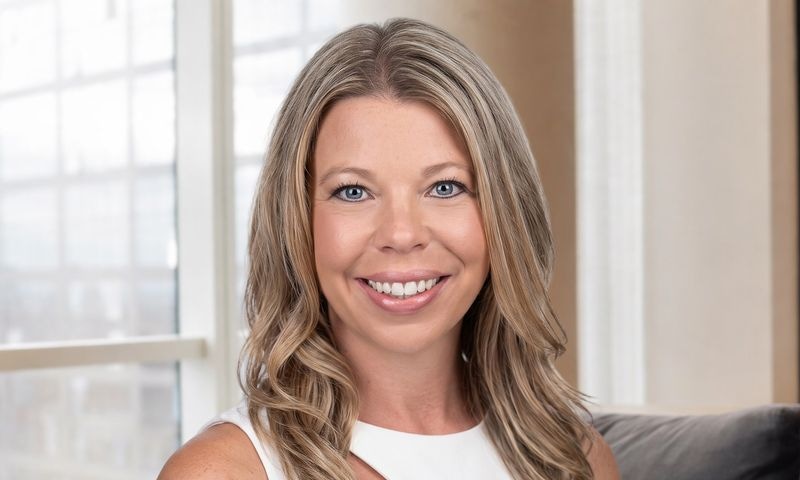
Rebecca Fleming, PMHNP
I have over 20 years in healthcare, beginning as a caregiver, CNA, LPN, and RN before becoming an FNP and later a PMHNP. I earned my ADN from Gogebic Community College, BSN and MSN/FNP from Herzing University, and post-master’s PMHNP Certificate from the University of Cincinnati. I have worked in home health, primary care, urgent care/ER, and outpatient psychiatry, and have served as Psychiatric Director for HOPS and Clinical Adjunct Faculty for Concordia University.
I believe rapport is essential to high-quality care. I strive to create a warm, caring environment where you feel comfortable, heard, and supported. I value open communication and take time to learn your unique story.
I begin with a thorough review of your medical and psychiatric history, then work with you to identify your goals and create an individualized plan. I view treatment as a partnership and want you to feel heard and involved. I use supportive psychotherapy, education, and resources such as books or workbooks, and encourage therapy when helpful. I explain treatment options and view medication as one “tool in the toolbox” while working toward the root of concerns and empowering you to heal and reach your goals.

Sarah Fedak, PMHNP
Sarah Fedak is a Doctor of Nursing Practice (DNP)–prepared Nurse Practitioner and board-certified Psychiatric Mental Health Nurse Practitioner (PMHNP-BC). She earned advanced psychiatric mental health certification through the University of Texas Health Science Center at Houston and has provided psychiatric care across inpatient, outpatient, telehealth, and intensive outpatient settings. Sarah previously practiced at Menninger Clinic and specializes in treating adolescents, adults, and older adults with conditions such as ADHD, anxiety, depression, bipolar disorder, insomnia, and mood disorders.
Sarah values open communication and believes patients should feel heard, respected, and supported throughout their care. She takes a collaborative, personalized approach to treatment and works to build trusting relationships in a compassionate, judgment-free environment. She encourages patients to play an active role in treatment decisions while providing thoughtful, evidence-based care centered on overall well-being.
Sarah begins by gaining a thorough understanding of each patient’s history, symptoms, concerns, and goals. She conducts comprehensive psychiatric evaluations and develops individualized treatment plans that may include medication management and supportive therapeutic approaches. She collaborates closely with patients over time, adjusting care plans as needed to promote lasting stability and wellness.

Dr. Shelley Sellinger, MD
My practice focuses on medication management as well as supportive and insight-oriented psychotherapy. I believe that a combination of therapy and medications helps provide a patient with the best outcome. My goal is to help patients live their best and most fulfilling lives. In addition to general psychiatry, I have a keen interest in mood disorders, helping creatives achieve their goals, and the LGBTQ community.
I am a board-certified psychiatrist who has been in practice for 25 years. My career has been devoted to serving both my local community as well as high-risk and underserved patients. As a pioneer and advocate for the use of telepsychiatry years prior to the pandemic, I have presented at the American Telehealth conference as well as at grand rounds.

Dr. Taylor Brady, MD
My approach is rooted in compassion, collaboration, and respect for your unique story. I view mental health treatment as a partnership, one where psychotherapy and medication can work together to support your growth and healing. My goal is to help you uncover the patterns and behaviors that may be holding you back, and empower you to make meaningful, sustainable change. I encourage patients to take ownership of their mental health, and I am here to provide the tools, guidance, and support you need along the way.
We'll begin by taking the time to understand your story, your goals, and what brings you to treatment. The first few sessions focus on building trust and identifying the areas where you'd like to see change. From there, we'll collaboratively develop a treatment plan that may include psychotherapy, medication, or both, always tailored to your needs. I draw from multiple therapeutic approaches, including Cognitive Behavioral Therapy (CBT), Cognitive Processing Therapy (CPT), and Psychodynamic Psychotherapy, to provide care that fits you, not the other way around. Throughout our work, I'll support you in developing insight, resilience, and confidence in managing your mental health.
My background includes medical training at the University of Utah, where I served as Student Body President, and psychiatric residency at the University of Texas, where I served as Inpatient Chief Resident and received awards for both clinical excellence and medical education. I hold an MD and an MBA.
Outside of clinical care, I am deeply interested in narrative medicine, the way our personal stories shape our mental health, and I found my passion for mental health care through the power of listening to people's stories. I bring that same commitment and curiosity to my work with patients.
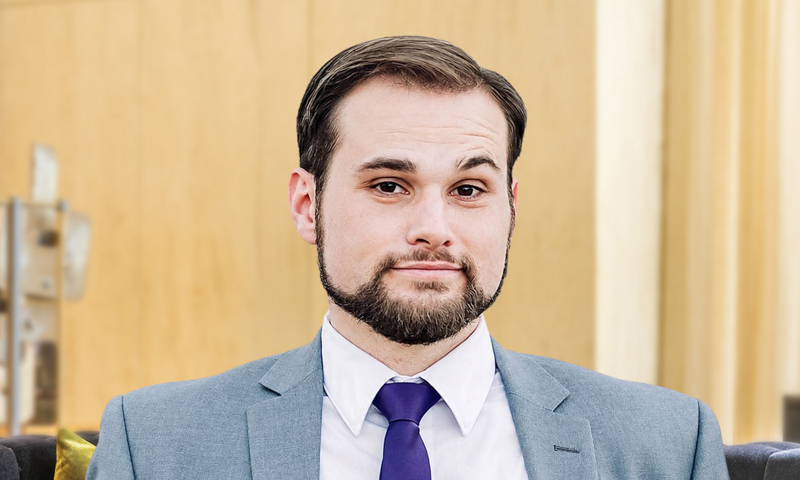
Trevor Gee, PMHNP
Trevor Gee, APRN, PMHNP-BC, brings over a decade of healthcare experience and earned his degree from the University of Nevada, Las Vegas. He has worked with individuals experiencing depression, anxiety, bipolar disorder, psychotic disorders, personality disorders, and ADHD. Trevor is passionate about individualized, evidence-based care and has extensive training in FDA-approved and off-label TMS protocols.
Trevor believes mental health care should never take a “cookie-cutter” approach. He values open communication, collaboration, and patient-centered care while creating a supportive environment where patients feel heard and respected. His holistic approach may include medication management, psychotherapeutic techniques, lifestyle changes, nutritional support, and other evidence-based treatments focused on long-term healing and well-being.
Trevor begins by understanding each patient’s history, symptoms, concerns, and goals. He collaborates with patients to create personalized treatment plans tailored to their needs and preferences. Depending on the individual, care may include medication management, supportive therapy, TMS therapy, genetic testing, and lifestyle-focused interventions to support lasting progress and improved quality of life.
Find a psychiatrist in Utah
Getting an appointment with a psychiatrist in Utah can mean a long wait, especially outside the Wasatch Front. Talkiatry connects you with a psychiatrist licensed in Utah who sees you by secure video, so you can start care from home instead of joining a months-long queue.
Because your psychiatrist is licensed in Utah, you can be seen from anywhere in the state, whether you live in a large metro or a rural county. Most patients are seen within days rather than months, on a schedule that fits around work and family.
Key takeaways
- You can see a psychiatrist in Utah online through Talkiatry, with licensed psychiatrists who treat you by secure video from home.
- Your psychiatrist is licensed in Utah, so you can start care from anywhere in the state without traveling to an office.
- Talkiatry is in-network with major insurers, and your coverage is checked during the free assessment before you schedule.
- Psychiatrists are medical doctors who can prescribe and manage medication when it is clinically appropriate.
- First visits are 60 minutes, giving you time to explain your symptoms and build a treatment plan together.
How an online psychiatrist in Utah works
You start by answering a few questions online, then get matched with a psychiatrist licensed in Utah based on your needs. Visits happen over secure video, so you meet your psychiatrist from home instead of driving to a waiting room.
Your first appointment lasts 60 minutes. That gives you time to talk through your history and symptoms, ask questions, and work with your psychiatrist on a plan. Follow-up visits are usually about 30 minutes and let you check progress and adjust your care.
Your psychiatrist is licensed in Utah, which is what lets you be seen from anywhere in the state. You are not limited to the few providers who happen to have an opening near you.
What a psychiatrist in Utah can help with
A psychiatrist can evaluate and treat a range of mental health conditions. Talkiatry psychiatrists work with patients on conditions including:
- Anxiety
- Depression
- ADHD
- Bipolar disorder, OCD, PTSD, postpartum depression, and insomnia
Psychiatrists are medical doctors, so they can prescribe and manage medication when it fits your care. Medication is one possible part of a plan, not the automatic result of a visit. Depending on your needs and availability, therapy may also be part of your treatment. Your psychiatrist listens, evaluates, and personalizes your care rather than applying a one-size-fits-all approach.
Does insurance cover a psychiatrist in Utah?
For many people, yes. Talkiatry is in-network with major insurers, so you can use your benefits for online psychiatry. Your coverage is checked during the free assessment, before you schedule a visit, so you know where you stand up front.
Your out-of-pocket cost depends on your specific plan. To get an estimate for your situation, contact your insurer and ask about your behavioral health benefits.
Getting mental health care in Utah
Access to psychiatric care is limited across much of Utah. The state has 62 designated mental health Health Professional Shortage Areas covering about 2.66 million people, and only about 50.8% of the psychiatric care need in those areas is currently met. Federal estimates suggest about 81 additional practitioners would be needed to lift those shortage designations (according to KFF as of 12/31/25).
For you, that shortage often shows up as long waits or a drive to another county to find an opening. Online psychiatry helps by connecting you with a psychiatrist licensed in Utah, rather than limiting you to the providers in your immediate area.
Getting started with Talkiatry
Talkiatry is a national psychiatry practice that makes it easier to get care from doctors who listen. Start by answering a few questions online, then get matched with a psychiatrist based on your needs. From there, you can schedule a visit, often within days, and meet with your provider from home. First visits are 60 minutes, so there's time to talk through your symptoms and build a treatment plan together. Talkiatry is in-network with major insurers, and you can check your coverage during the assessment. Take our free online assessment.
If you or someone you know is in crisis, call or text 988 to reach the Suicide and Crisis Lifeline, or call 911 for an emergency.
Can I see a psychiatrist online in Utah?

Yes. Talkiatry matches you with a psychiatrist licensed in Utah who sees you over secure video. You complete a short assessment, get matched, and meet from home, with no office visit required.
Do I need to go through a referral to see a psychiatrist?
You do not need a referral to start with Talkiatry. You answer a few questions online, get matched with a psychiatrist licensed in Utah, and schedule your visit directly.
Do I need to live in Utah to be seen?
Your psychiatrist must be licensed in the state where you are located during the visit. To be seen by a Utah-licensed Talkiatry psychiatrist, you need to be physically in Utah for your appointments.
Why is it so hard to see a psychiatrist in Utah?
Much of Utah has a shortage of psychiatric providers, which can mean long waits at local offices. Online psychiatry helps by matching you with a psychiatrist licensed anywhere in the state, so you are not limited to nearby openings.
Does insurance cover online psychiatry in Utah?
Often, yes. Talkiatry is in-network with major insurers, and your coverage is verified during the free assessment before you schedule. Your out-of-pocket cost depends on your plan, so check your benefits with your insurer.
Can a psychiatrist prescribe medication online in Utah?
A psychiatrist can prescribe and manage medication when it is clinically appropriate and legally permitted. A prescription is never guaranteed. Your psychiatrist evaluates your situation first and decides with you whether medication fits your plan.
What conditions can an online psychiatrist in Utah treat?
Talkiatry psychiatrists treat conditions including anxiety, depression, ADHD, bipolar disorder, OCD, PTSD, postpartum depression, and insomnia. Your psychiatrist evaluates your symptoms and builds a plan suited to your needs.