Dr. Adeeb Yacoub, MD
I focus on the interconnectivity of the mind, body, and soul. I am an excellent diagnostician with expertise in complex mood disorders, psychotic disorders, interventional psychiatry, and advanced psychopharmacology. In addition to medication management, I am proficient in supportive and interpersonal psychotherapy. I am dedicated and empathetic to all my patients.
I received my medical degree from Alexandria University and completed my psychiatry residency at Stony Brook University Hospital. I am double board certified in both general adult psychiatry and consultation & liaison psychiatry with over 20 years of clinical experience. After serving as chief resident, I joined Stony Brook University and became Associate Professor in clinical psychiatry. During my tenure at Stony Brook, I served as director of the ECT service, treating many patients with complex psychiatric disorders, including treatment-resistant depression, severe bipolar disorders, psychotic disorders, anxiety disorders, obsessive compulsive disorder, and post traumatic stress disorder. I also served as director of the medical student psychiatry clerkship, where I received numerous teaching awards including Alpha Omega Alpha and the Aesculapius Award for Excellence in Medical Education. I have multiple publications and abstracts presented.
I have treated adults, geriatric patients, and diverse populations including but not limited to LGBTQ+ and veterans.


.jpeg)
Dr. Alexandra Hill, MD
I have additional interests in trauma work; women's mental health, specifically in the peripartum period; and in working with individuals facing progressive diseases or terminal diagnoses.
I am a recent graduate of the psychiatry residency program at the University of Colorado School of Medicine. During my residency, I sought out additional training in psychodynamic therapy and EMDR. I participated in the Psych Scholars track, which provided in-depth education and supervision around therapy and psychoanalytic theory. This allows me to better understand the role of both medication and therapy, to utilize, when to couple them, and what limitations they may have.

Dr. Amanda Kerr, DO
My practice focuses on medication management, though I passionately believe in a holistic approach. I have a gentle and approachable style when providing medication management in conjunction with supportive psychotherapy, and at times Cognitive Behavioral Therapy techniques to more fully address each individual's needs. I utilize mindfulness approaches as well, which I find personally meaningful in my practices of meditation and yoga. I have experience treating patients with depressive and bipolar disorders, anxiety disorders, PTSD, and OCD.
I attended Boston University for my undergraduate studies and Loyola Marymount University for graduate school. I then completed my training at Midwestern University Arizona College of Osteopathic Medicine for medical school and Rowan University School of Osteopathic Medicine for residency, where I was selected to serve as Chief Resident during my final year. I am a board-certified Psychiatrist. After completion of my residency in 2016, I dedicated seven years to serving a wide range of patients in a community mental health setting, both in-person and via telepsychiatry. I also serve as a provider at an Intensive Outpatient Program. I also have extensive teaching experience in various settings.
If I feel you would benefit from working with a therapist as well, I may recommend that, as I value a collaborative approach.
.webp)
Dr. Amit Suneja, MD
I practice psychiatry through a collaborative, integrative, disability and healing justice-informed lens. I reject oversimplified binaries, recognizing that healing requires embracing complexity. My approach integrates psychiatric and psychotherapeutic practices with complementary, alternative, and natural therapies, as well as harm reduction. My approach is neurodivergence-, queer-, and gender-affirming as well as trauma-informed. Rejecting the binary of "mentally ill" vs. "mentally healthy," I recognize the mind, body, and soul's inherent complexity. My clinical interests include anxiety, OCD, women's reproductive mental health, climate stress, intergenerational trauma, immigrant and refugee mental health, and substance use concerns.
I provide a healing space that prioritizes each service user's goals and lived experiences, and I tailor care to each service user. The first session explores goals, treatment options, and optimal meeting frequency. In many cases, visits are more frequent at the beginning of treatment and spaced out over time. I prefer visits at least every 4–6 weeks and integrate psychotherapy into all treatment plans, with many service users benefiting from ongoing deeper therapeutic work.
My training includes Columbia, Johns Hopkins, and a global mental health fellowship at UCSF.
Based in Tucson, I enjoy desert life, reading, baking, making art, and spending time with my two dogs.

Dr. Anthony Capozzi, MD
My approach is to get to know my patients well in order to provide more comprehensive care. I prefer Cognitive Behavioral therapy or Rational Emotive therapy, which I feel is the most time effective and enduring therapy to help patients' needs. I enjoy working with patients who have anxiety, mood disorders, and ADHD, and I am particularly interested in treatment-resistant Depression and Anxiety Disorders. Patients working with me know that I realize they have been suffering with their symptoms for some time, or they would not be seeking help, and I will work with each patient in collaboration to help receive the proper care. The typical process is to first spend time gathering a history of the symptoms, then include significant medical history which may be primary or secondary contributing factors, and also examine the psychosocial profile and how that may contribute to the initiation of symptoms and prevention of improvement. It is essential to form a differential diagnosis and continue to look at any ongoing issues as well as co-morbidities. I believe it is most important to discuss possible treatment modalities and take into consideration the patient's participation in ongoing care, staying up to date on the latest modalities and using a combination of medication, nutritional supplements, and behavioral therapies that can foster lasting improvement. It is very gratifying watching patients blossom and overcome their psychiatric disorder and then function at their best in work, leisure pursuits, and relationships.
I am a board-certified psychiatrist and a Diplomate of the American Board of Psychiatry and Neurology, the National Board of Physicians and Surgeons, and the American Association of Psychiatric Medicine. Originally from Brooklyn, New York, I received my MD from New York University after completing a 5th pathway at Booth Memorial Hospital in Queens, New York. I began my experience seeing patients with treatment refractory major psychiatric illnesses at Rockland Psychiatric Center in Rockland County, New York, where I also served on the psychopharmacology committee. I then practiced outpatient psychiatry at Rockland County Community Mental Health and Westchester County Mental Health for over 20 years, in addition to maintaining a private practice, and held the position of Associate Director of the division in Westchester County for over 18 years. That work exposed me to all levels of psychiatric care, including patients in the community, patients with limited income, and dual diagnoses including substance abuse. I also have extensive experience working with patients with developmental disabilities, as this is an underserved need.
I then went on to work in Florida for Florida Health Care Plans, an HMO, and in private practice for the past 13 years. I worked at the Counseling Center of New Smyrna Beach, helped establish the Center for Behavioral Medicine in Port Orange, Florida as part of a multidisciplinary practice, and established Advanced TMS in Port Orange, Florida. I subsequently practiced Interventional Psychiatry with Greenbrook TMS in the greater Orlando area. I am certified in TMS for brain mapping with Neurostar and Cloud TMS and have experience in the use of intranasal ketamine for treatment-resistant depression. I have been a member of the Neuroscience Education Institute since 2012, where I hold a certificate as a Master Psychopharmacologist, and I am a member of the Clinical TMS Society. I am also certified in Medical Marijuana and have completed the IV Ketamine Infusion therapy course as well as Botox training certification. I hold active medical licenses in Florida, Arizona, and New York.
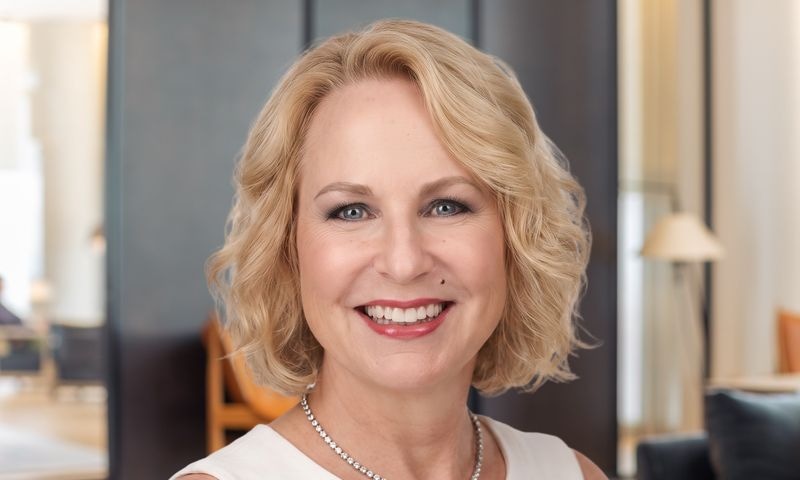
Christine Edberg, MD
Dr. Christine Edberg is a board-certified psychiatrist with more than 25 years of experience providing compassionate, evidence-based care to individuals of all ages. She earned her medical degree from the University of South Florida College of Medicine, completed her General Adult Psychiatry residency, and a Child and Adolescent Psychiatry fellowship at the Mayo Clinic. Patients and colleagues describe her as someone who truly listens, is compassionate, approachable, and knowledgeable.
Dr. Edberg believes that effective care begins with a strong partnership. She values teamwork, patient education about medications and other treatment options, and informed decision-making. She is committed to maintaining professional, safe boundaries while providing consistent, supportive care through regularly scheduled appointments.
During the initial visit, Dr. Edberg focuses on building trust by listening carefully and understanding each patient's concerns. Together, they develop a comprehensive treatment plan that considers medical, psychological, and social factors. Treatment decisions, including medication options, adjustments, continuation, tapering, and collaboration with personal or professional supports, are made jointly to best support each patient's wellness.

Dr. Dana-Jean La Haie, MD
My practice focuses on medication management and providing psychoeducation to my patients. If indicated, I may determine that additional therapy is also needed and ask that you bring a therapist into your care team to provide the best outcome. I strongly believe in tailoring treatments through a holistic and patient-centered approach based on individual and multi-faceted histories. I have experience treating a large variety of mental health conditions across a variety of populations.
I am board certified in adult psychiatry and have been in practice for over 15 years. I completed my residency at Banner Good Samaritan (now Banner University) Hospital in Phoenix, Arizona. After completing my residency training, I worked with the severely mentally ill population for several years, then transitioned to a private practice setting that offered the interventional options of transcranial magnetic stimulation and ketamine infusion. Most recently, I worked at the Phoenix VA treating veterans, with a focus on PTSD, depression, and anxiety. I have held an academic appointment at the University of Arizona Medical School and have spent my professional career supervising and teaching medical students and psychiatry residents.

Dr. DEBRA SOLOMON, MD
My presence at Talkiatry brings my career full circle and back to my greatest joy as a psychiatrist: working directly with patients one-on-one to help them integrate the complexity of their feelings, beliefs, and personal reality in the context of an increasingly complicated world around them. I take a compassionate, individualized, and pragmatic approach to treatment, beginning in the first visit with a full history and discussion with the patient of their symptoms, challenges, and goals. Follow-up visits are tailored to the patient's evolving needs and combine shared insights and tools such as medications and behavioral practices to support them as I guide them on their unique journey toward their best life, on their terms.
My qualifications include a B.A. in biology from Harvard University and an M.D. from Tufts School of Medicine. I completed psychiatry residencies at Mt. Sinai and Brown and am board certified in both Psychiatry and Addiction Medicine. My four decades of practice have exposed me to an eclectic range of cultures, ethnicities, and pathologies in a wide variety of settings, from solo practice to regional medical centers to academic institutions. This breadth and depth of clinical and life experience have helped me transcend cultural biases and institutional conventions and to more clearly see each patient as a uniquely complex and lovable individual.

Dr. Diane Papke, MD
I take a no-nonsense approach and pride myself on collaborating with patients to attain their goals of optimum psychiatric health, believing that the cornerstone of a healthy partnership with any patient is a holistic approach. Listening with an open mind and heart while collaborating with my patients to provide the correct medication management and supportive care has always been the key for me. I have a genuine interest in treating psychiatric disorders including anxiety, depression, PTSD, OCD, ADHD, and most specifically bipolar, as well as experience treating medical comorbidities including neurologic disorders.
After graduating from medical school, I completed my internship year in Internal Medicine at St. Joseph's Hospital in Phoenix, AZ, followed by two years of neurology residency at Barrow Neurological Institute before completing psychiatric residency at Maricopa Medical Center in 2005. I then spent the majority of my time caring for SMI/seriously mentally ill patients with a mantra of "propelling people forward to wellness." Working on the supportive level of care for this population honed my skills to care for the highest level of outpatient care through ACT/assertive community treatment. In 2023, I extended my expertise and skills to the general population to include telehealth management of my patients.
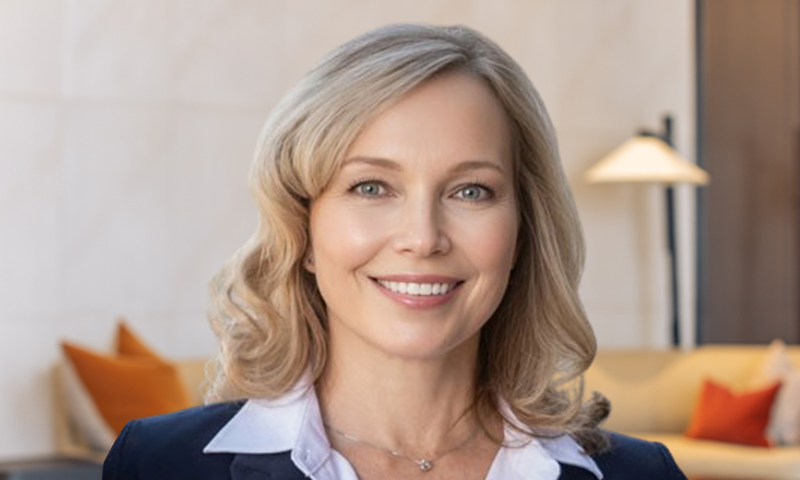
Dr. Elena Volfson, MD
Dr. Elena Volfson is a double board-certified psychiatrist in General Adult Psychiatry and Addiction Psychiatry. She earned her medical degree from St. Petersburg Pavlov Medical University, completed advanced training in the U.S., and has held leadership, teaching, and clinical roles at nationally recognized institutions. She has also been honored as a Top Doctor and named a Distinguished Fellow of the American Psychiatric Association.
Dr. Volfson believes medication can support recovery but is not a replacement for psychotherapy. Her treatment philosophy combines thoughtful medication management with evidence-based psychotherapy, creating an individualized approach that helps patients build lasting skills and achieve meaningful progress.
Dr. Volfson partners with each patient to understand their goals, concerns, and unique needs. She develops personalized treatment plans that integrate psychotherapy into every visit, using medication when appropriate while emphasizing collaboration, education, and long-term wellness.
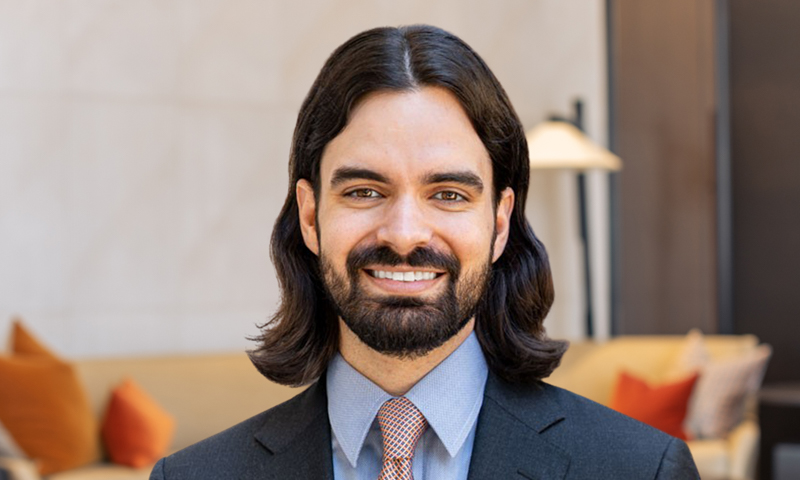
Dr. Henry Guajardo, MD
Dr. Henry Guajardo is a psychiatrist who strives to help people overcome their challenges, not merely endure them. He earned his M.D. from UT Southwestern Medical Center and completed psychiatry residency at Baylor College of Medicine, where he served as Chief Resident of the outpatient clinic. He also trained at The Menninger Clinic, a world-renowned inpatient treatment center. He has worked with individuals facing burnout, relationship conflict, attention and focus difficulties, anxiety, attachment issues, childhood trauma, and questions of meaning and purpose.
Dr. Guajardo’s reassuring demeanor sets patients at ease, allowing them to open up at their own pace. He uses psychotherapy as a core part of his treatment approach, drawing from motivational interviewing (helping patients find their own reasons for change) and psychodynamic psychotherapy (exploring how past experiences shape current patterns). He has ample experience managing complex cases, and is adept with advanced medication approaches for patients with refractory symptoms. He also has expertise supporting patients who are taking a closer look at their relationship with alcohol, nicotine, cannabis, or compulsive behaviors such as gambling or pornography use.
Dr. Guajardo uses the initial appointment as an opportunity to understand his patient’s background thoroughly and define treatment goals. He aims to thoughtfully interweave medication management and psychotherapy at every visit.

Jackie LaVe, PMHNP
I offer a patient-centered approach, working with individuals aged 18–65. I believe in engaging patients in the decision-making process and in educating patients so they are empowered to work together with me to create treatment plans that improve their health and quality of life. My professional interests include treating a wide range of adult psychiatric conditions including depression, anxiety, trauma, ADHD, OCD, panic, autism, and bipolar disorder. I provide psychiatric assessments and medication management along with brief supportive psychotherapy. I have additional education and experience in cognitive behavioral therapy, mindfulness, and motivational enhancement. I can also review if adding a therapist to your care team could improve outcomes.
I am a board-certified Psychiatric Mental Health Nurse Practitioner and am also dually certified as a Family Nurse Practitioner. I received my master's degree and post-master's certificate from Vanderbilt University. I have 12 years of experience as a nurse and over 7.5 years of experience as a Nurse Practitioner. I am licensed to practice in Montana, Arizona, and New York.
Online psychiatrists in Arizona
Talkiatry offers online psychiatry across Arizona, giving you access to licensed doctors through video visits. Appointments are often available within days, and most major insurance plans are accepted.
Whether you’re in Phoenix, Tucson, or a community with fewer local options, you can meet with your psychiatrist from a private, convenient location anywhere in the state.
How online psychiatry works in Arizona
Talkiatry appointments happen entirely online. To get started, complete a short assessment about your symptoms, background, insurance, and preferences. We’ll then help you explore psychiatrists who are licensed in Arizona and may meet your needs.
After you select a doctor, you can schedule your first video appointment. Initial visits last 60 minutes, leaving plenty of time to share what you’ve been experiencing and discuss what you want from treatment. Most follow-up appointments are about 30 minutes.
Because psychiatry licenses are issued by state, you must be physically located in Arizona when your appointment takes place. You don’t necessarily have to be at home—just somewhere private within the state.
What a psychiatrist in Arizona can help with
Psychiatrists are doctors with specialized training in mental health. They look at both your mental and physical health to understand your symptoms, diagnose conditions, and recommend treatment. Unlike most other mental health professionals, they can also prescribe and manage medication.
Talkiatry psychiatrists care for adults as well as children and adolescents ages 5 to 18. Conditions they treat include:
- Anxiety, including an anxiety psychiatrist in Arizona for panic and worry that gets in the way of daily life
- Depression and other mood concerns
- ADHD, evaluated by an ADHD psychiatrist in Arizona
- Bipolar disorder, OCD, PTSD, postpartum depression, and substance use concerns
Seeing a psychiatrist doesn’t mean you’ll automatically be prescribed medication. Your doctor will first listen to what’s going on, review your history, and talk through the options with you. Your treatment plan may include medication, supportive therapy, or other approaches based on your needs.
Does insurance cover a psychiatrist in Arizona?
Talkiatry is in-network with major insurers, helping more people access psychiatric care through their existing coverage. We’ll verify your benefits as part of the online assessment, before you choose a psychiatrist and schedule your visit.
Depending on your plan, you may be responsible for a copay, coinsurance, or costs toward an unmet deductible. Check with your insurance company for the most accurate estimate.
Getting mental health care in Arizona
Arizona’s need for mental health care is much greater than its available supply. At the end of 2025, approximately 2.1 million residents lived in one of the state’s 213 federally designated mental health professional shortage areas. Those areas had enough practitioners to meet only about 10% of the estimated need, according to KFF.
Online psychiatry can’t solve that shortage by itself, but it can make geography less of a barrier. Talkiatry patients can choose from available psychiatrists throughout Arizona instead of relying exclusively on practices within driving distance.
Cities we serve in Arizona
Talkiatry serves patients across Arizona by video. If you want details for a specific area, see our page for psychiatrists in Phoenix, AZ.
Getting started with Talkiatry
Complete Talkiatry’s free online assessment to tell us what you’re looking for, check your insurance, and explore available Arizona psychiatrists. Once you choose your doctor, you can schedule your first video visit, often within days.
Can I see a psychiatrist online in Arizona?

Yes. If you are physically located in Arizona during your visit, you can meet with an Arizona-licensed psychiatrist by secure video. Telehealth psychiatry in Arizona covers the same evaluation, diagnosis, and ongoing care you would get in person, from home.
Do I need a referral to see a psychiatrist in Arizona?
Usually not. You can go straight to a psychiatrist by starting the free online assessment; you do not need a referral from another doctor to begin. Some insurance plans have their own referral rules, so check your plan if you want to be sure how coverage works.
Do I need to live in Arizona to be seen?
Your psychiatrist must be licensed in the state where you are located during the appointment. To see an Arizona-licensed psychiatrist, you need to be in Arizona at the time of your visit.
Does insurance cover online psychiatry in Arizona?
Often, yes. Talkiatry is in-network with major insurers, and we check your coverage during the free assessment before you schedule. Because costs vary by plan, confirm any copay or deductible details with your insurance company.
Can a psychiatrist prescribe medication online in Arizona?
An online psychiatrist can prescribe and manage medication when it is clinically appropriate and legally permitted. A prescription is never guaranteed. Your psychiatrist evaluates your situation first and recommends a plan that fits your needs, which may or may not include medication.
How soon can I be seen?
Many patients are seen within days rather than the months it can take to find a local provider. Times vary based on your needs and provider availability, so we cannot promise an exact date, but online scheduling usually moves faster than a traditional waitlist.