Dr. Lisa Ekeanyanwu, MD
My practice is centered on pharmacotherapy, which I integrate with supportive therapy, cognitive behavioral therapy (CBT), and psychodynamic therapy to provide comprehensive psychiatric care. I take a collaborative and individualized approach, tailoring treatment to meet each patient's unique goals and improve their overall quality of life. I have a special interest in cultural and micro-cultural influences on mental health and strive to provide culturally competent care that respects each patient's life experiences and values. When I believe additional therapy may be beneficial, I may recommend incorporating a therapist into the care team.
I am a board-eligible psychiatrist who completed my psychiatry residency training at Stanford University. I have gained experience in a wide range of clinical environments, including inpatient and outpatient care, community mental health settings, emergency rooms, telehealth services, and international clinical fieldwork.
During a first visit, patients can expect a thorough evaluation in which I carefully assess their symptoms, medical history, and personal treatment goals. I foster a collaborative and patient-centered environment, ensuring that each treatment plan aligns with the patient's individual needs. I provide medication management along with therapeutic support and, when appropriate, may recommend additional therapy to optimize outcomes. My approach prioritizes safe, effective, and culturally sensitive care that evolves to support patients throughout different stages of their lives.


Dr. Lynn Klimo, MD
I foster a supportive, respectful, and nonjudgmental space where patients feel fully seen. I emphasize collaboration, open communication, and shared decision-making while working to uncover root causes rather than focusing solely on symptoms. My approach is compassionate, evidence-informed, and grounded in authentic connection, honoring each patient's values, identity, and goals. I begin with a comprehensive understanding of each patient's history, concerns, and desired outcomes. Treatment may integrate psychotherapy, medication, lifestyle strategies, and holistic techniques. I explore emotional, relational, and behavioral dimensions, emphasizing resilience, skills, and long-term wellness. My process includes regular reassessment and tailored adjustments to support patients in becoming their most fulfilled and authentic selves.
I am a board-certified psychiatrist with additional certifications in Integrative Holistic Medicine and Energy Psychology. I earned my medical degree from Case Western Reserve University and completed a psychiatry residency through NEOUCOM, along with a family practice internship at Summa Health. With more than 30 years of clinical experience across inpatient, outpatient, emergency, and consultative settings, I have also served in leadership roles and developed deep expertise in trauma-informed care, treatment-resistant cases, addiction co-occurrence, and integrative approaches that blend neuroscience, psychology, and consciousness.

Dr. Madison Perington, DO
I use a person-centered approach to tailor treatment to the individual, with an emphasis on shared decision making. I prefer to focus on psychotherapy and behavioral interventions as a primary part of the treatment plan, in addition to any indicated medication. Motivation for change is a large part of the healing process, and for many people recovery doesn't happen with medication alone. I ask all my patients to play an active role in their treatment. A thorough diagnostic assessment with discussion of the best treatment setting and modality, then regular follow up visits with emphasis on psychotherapy in addition to medication management (if indicated).
I am a Staff Psychiatrist with Talkiatry. I previously served in the US Air Force, where I completed my residency training in psychiatry (Lackland AFB) and was the medical director for a small-sized mental health clinic (Hill AFB).

Dr. Marcia Morris, MD
I am a psychiatrist with over thirty years of experience providing medication management as well as supportive psychotherapy to adult patients. I take a positive psychiatry approach to treatment, prescribing medication while supporting patient strengths, social connections, and healthy habits. I provide care for patients with depression, anxiety, OCD, PTSD, and ADHD, and I have worked with university students as well as employees in an employee assistance program.
In my previous role as an Associate Professor at the University of Florida, I conducted research on the increase in depression and anxiety as well as the increased use of psychiatric medications among university students. I have published academic papers and given national talks on these topics with the goal of decreasing stigma and improving mental health care for young adults. I am a founding member of the Association for College Psychiatry and a member of the American Psychiatric Association college mental health caucus.
I provide education to the public about mental health as a writer and public speaker. My articles have appeared in the New York Times, the Tampa Bay Times, and the Huffington Post, and I have been interviewed on NPR and several podcasts. I currently write a Psychology Today parenting blog, "College Wellness: Promoting Happiness & Health in the College Years." My book, "The Campus Cure: A Parent's Guide to Mental Health & Wellness for College Students," was published in January 2018.
I hold an undergraduate degree from Harvard, a medical degree from Yale, and completed my psychiatry residency training at New York Hospital Cornell Medical Center. I am a Distinguished Life Fellow of the American Psychiatric Association.
.jpeg)
Dr. Marla Richard, MD
I believe that you need to take a whole-person approach to both mental and physical health. I use an integrated health paradigm with general and geriatric patients, drawing on traditional psychopharmacology, interpersonal neurobiology practices, and personality assessments to look at root motivations for behaviors, address core issues, and incorporate medication management as needed. My focus includes an integrated approach to the consideration of mental and physical health while incorporating mindfulness tools to teach skills of stress and anxiety management in everyday life. In conjunction with medication management, I use interpersonal neurobiology to help clients understand triggers as well as methods to calm overactive stress responses and reactivity.
I am a Stanford-trained board-certified psychiatrist and am board-eligible for geriatric psychiatry from UCSD, with 30 years of practice across a variety of settings. I received my undergraduate degree from the University of Minnesota, Duluth, and then attended Stanford Medical School to complete my MD. With visions of becoming a general surgeon, I went to the University Hospitals of Cleveland and completed two years of general surgery training before transferring to psychiatry. I completed my psychiatry training at Stanford University and my geriatric training many years later at UCSD.

Dr. Martha James, MD
I am an experienced, open-minded psychiatrist who prioritizes empathy and understanding in my work. I recognize that each individual's path to wellness is unique and strive to meet patients where they are in this process. I believe that while some individuals may benefit from treatment with medication management alone, psychotherapy is often important for treatment success. I encourage patients to participate in psychotherapy and believe a therapist can be a crucial part of the treatment team. I use a collaborative, patient-centered treatment approach with the goal of reducing mental pain and improving wellness so that patients are better able to pursue their unique personal and professional goals. I utilize psychopharmacology, psychoeducation, and supportive and psychodynamic psychotherapy skills when working with patients. I have experience treating adults with a variety of mental health problems including anxiety, mood disorders, trauma-related disorders, and psychotic disorders.
I am board-certified in general adult psychiatry and have more than twenty years of experience working with adults in a variety of mental health care settings including academia, inpatient psychiatric hospitals, outpatient clinics, university medical centers, VA medical centers, and community mental health settings. I received my medical degree from Duke University School of Medicine and completed my psychiatric residency at the University of California, Los Angeles Neuropsychiatric Institute.

Dr. Maryrose Bauschka, MD
Dr. Maryrose Bauschka, MD, earned her medical degree from Case Western Reserve University School of Medicine and completed her adult psychiatry residency at the University of Utah. She worked as an inpatient psychiatrist at the Huntsman Mental Health Institute and later at Eating Recovery Center and Pathlight Mood & Anxiety Center in Chicago and Denver, where she served as Medical Director. She has held faculty roles at Rush Medical College, the University of Utah, and the University of Colorado, and is a Certified Eating Disorder Specialist (CEDS).
Dr. Bauschka takes a collaborative, communicative approach, creating a space where patients feel heard and respected. She integrates psychotherapeutic techniques, goal setting, and medication management to support patients in working toward feeling their best.
Dr. Bauschka begins by understanding each patient’s history, values, and goals. She partners with patients to develop individualized plans that include pharmacological and non-pharmacological strategies, with a focus on safe, thoughtful psychotropic prescribing.

Dr. Matthew Kelly, MD
I am a board-eligible psychiatrist specializing in adult psychiatry. I provide compassionate, comprehensive care for adults facing a wide range of mental health conditions, including depression, anxiety, PTSD, OCD, ADHD, and bipolar disorder. I emphasize a holistic, evidence-based approach that incorporates medication management, supportive therapy, and lifestyle interventions targeting nutrition, exercise, sleep hygiene, and stress management to improve an individual's wellbeing.
I take the time to understand each patient's unique needs and work collaboratively to develop personalized treatment plans that are non-judgmental, empowering, and focused on overall well-being. I believe an essential aspect of the therapeutic relationship is an individual's ability to make informed choices. I actively involve individuals in their treatment and use clear communication to help patients understand their care so they can focus on their journey of healing and recovery.
I completed my undergraduate studies at the University of Houston before attending McGovern Medical School, where I completed both my medical degree and my psychiatric residency.
.webp)
Dr. Maxwell Schauermann, MD
I am a board-certified addiction psychiatrist with a patient-centric approach and nonjudgmental, easy-going attitude. My treatment philosophy centers on empowering patients to heal holistically, body, mind, spirit, and relationships, ensuring each individual receives tailored and evidence-based care. I excel in treating both psychiatric and addiction disorders, utilizing a broad array of therapeutic modalities, including psychiatric medications, supportive therapy, cognitive-behavioral therapy, dialectical behavior therapy, psychodynamic-based therapy, prolonged exposure therapy, and motivational enhancement therapy. I typically offer 60-minute new visits and 30-minute follow-up visits.
I completed my medical school and residency training at Loma Linda University in Southern California, where I was recognized by my colleagues as Chief Resident of inpatient services for my leadership and problem-solving abilities. My passion for caring for people with substance use disorders led me to complete specialized training in Addiction Psychiatry at the University of Washington in 2024.

Dr. Megan Crochet, MD
I provide a therapeutic medication management visit, which incorporates therapeutic techniques tailored to the individual patient's needs while adjusting medication doses. My goal is to help patients manage their symptoms while working towards, over time, uncovering the root causes. This comprehensive process helps to empower my patients and provides hope and acceptance of their psychiatric challenges. If indicated, I may believe that additional therapy is also needed and recommend that you bring a therapist into your care team to provide the best outcome.
I am board certified in Adult Psychiatry and have completed a fellowship in Child and Adolescent Psychiatry. I attended medical school at Drexel University College of Medicine and completed my training at Mount Sinai School of Medicine, followed by Tulane University School of Medicine, where I was a chief resident. I have worked in hospital systems, private practice, and most recently telemedicine.
When not practicing, I enjoy all things water, cooking, and spending time with my daughter and dog.

Dr. Michael Locher, MD
My approach to medication management is that it is one tool to be used in the broader context of a multi-modal evidence-based treatment approach that draws upon psychotherapy, mindfulness skills, Buddhist psychology, psychedelic (AKA "mind manifesting") studies, yoga philosophy, and other integrative practices. I understand that healing is an individualized process that cannot unfold without a safe space, and I am dedicated to holding an approachable, empathic space where you can feel empowered to write the next chapter of your life. I have an interest in working with immigrants and LGBTQ+ communities.
I am well versed in treating the full spectrum of mental illness. Having worked on multidisciplinary teams in acute inpatient psychiatric hospital settings, psychiatric emergency rooms, and mental health urgent cares for the better part of 10 years, I am comfortable helping with not just mild to moderate illness, but also the most severe cases of mental illness. I am especially motivated to work with you to maintain stability, avoid hospitalization, and more broadly, to achieve wellness.
I completed Adult Psychiatry Residency Training at Los Angeles County, University of Southern California, where I focused two years of training in conducting Mindfulness Based Cognitive Therapy. I received my Bachelor of Science undergraduate degree in 3 years with Phi Beta Kappa honors at the University of Miami, Florida. In medical school at Stony Brook School of Medicine in New York, I was inducted into the Gold Humanism Honor Society while earning my Doctor of Medicine (MD) degree. I have held academic appointments at University of Southern California Keck School of Medicine, College of Osteopathic Medicine of the Pacific Western University of Health Sciences, and Ventura Community Memorial Health System Psychiatric Residency Training Program.
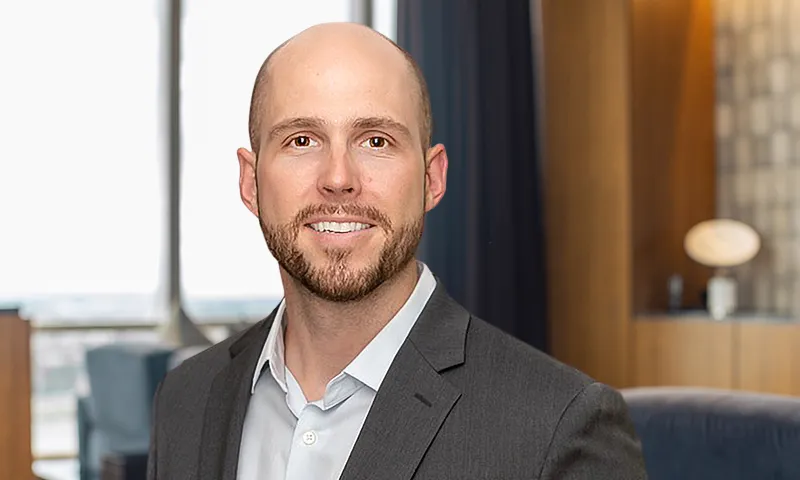
Dr. Michael Lukowski, MD
I am an adult psychiatrist who holds board certification with the American Board of Psychiatry and Neurology. I focus on medication management combined with supportive therapy during initial and follow-up visits. I practice whole-person medicine, caring for the wellness of your mind, body, and spirit and helping you enjoy your relationships with those around you.
I received my medical degree from the University of Nevada School of Medicine in Reno, NV, before moving to southern California to complete my residency at Loma Linda University. After completing training, I began working with the Southern California Permanente Medical Group in Riverside, CA, where I treated a variety of psychiatric disorders in an outpatient setting. In March of 2020, as the pandemic changed life and medicine forever, I adopted a strictly telepsychiatry role at my clinic. I have also held a staff psychiatrist position as an adult inpatient psychiatrist in Tennessee. I treat a wide variety of psychiatric disorders within the adult demographic.
Find a psychiatrist in California
Talkiatry psychiatrists are licensed in California and see patients across the state by video. You meet from home, on your schedule, with no commute and no local waitlist. Many people are matched and seen within days, not months.
How online psychiatry works in California
You start with a free online assessment. It asks where you live, what you're dealing with, and your mental health history. Based on your answers, we match you with a psychiatrist licensed in California.
From there, you schedule a video visit and meet your provider from home. First visits are 60 minutes, so there's time to talk through what's going on. Follow-ups are usually about 30 minutes.
Your psychiatrist must be licensed in the state where you are during the visit.
What a psychiatrist in California can help with
An online psychiatrist in California can evaluate, diagnose, and treat a range of mental health conditions. Talkiatry psychiatrists are medical doctors, so they can prescribe and manage medication when it fits. Therapy is available too, and our therapists work alongside your psychiatrist.
Common reasons people in California reach out include:
- Anxiety: ongoing worry, panic, or tension that gets in the way of daily life. An anxiety psychiatrist in California can help you sort out what's driving it and what treatment fits.
- Depression: low mood, loss of interest, or fatigue that lasts for weeks.
- ADHD: trouble focusing, restlessness, or follow-through problems. An ADHD psychiatrist in California can walk you through evaluation and options.
A psychiatrist can also help you figure out what kind of care fits, whether that's medication, therapy, or both.
Does insurance cover a psychiatrist in California?
Talkiatry is in-network with major insurers, so many patients find they're covered. Looking for a psychiatrist that takes insurance in California? We check your coverage during the free assessment, so you don't have to look it up yourself.
Costs vary by plan. For a detailed estimate of what you might pay, contact your insurance company directly.
Getting mental health care in California
Finding local care in California can be hard. California has 627 designated mental health professional shortage areas covering roughly 11.54 million people, and only about 23.5% of the need for psychiatric care is currently met. HRSA estimates the state would need about 598 more practitioners to remove those shortage designations (KFF).
Online psychiatry helps close that gap. Because your psychiatrist works with you by video, you're not limited to the providers who happen to practice near you.
Cities we serve in California
We match patients with California-licensed psychiatrists across the state. See care options in these cities:
Start with a free assessment
Take the free online assessment, get matched with a psychiatrist licensed in California, and schedule your video visit. Take our free online assessment.
Can I see a psychiatrist online in California?

Yes. Talkiatry psychiatrists are licensed in California and see patients across the state by video. You meet from home, so there's no office to travel to and no local waitlist.
Do I need to live in California to be seen?
Yes. Your psychiatrist must be licensed in the state where you are located during the visit. To see a California-licensed psychiatrist through Talkiatry, you need to be in California when you join your telehealth visit.
Does insurance cover online psychiatry in California?
Often, yes. Talkiatry is in-network with major insurers, and we check your coverage during the free assessment. Costs depend on your plan, so contact your insurance company for a detailed estimate of your out-of-pocket cost.
Can a psychiatrist prescribe medication online in California?
Yes, where it's clinically appropriate and legally permissible. Talkiatry psychiatrists are medical doctors who can prescribe and manage medication as part of your treatment plan. A prescription is never guaranteed; your psychiatrist decides what fits your needs.
Do I need a referral to see a psychiatrist in California?
No. You don't need a referral to start with Talkiatry. You begin with a free online assessment, and we match you with a psychiatrist licensed in California based on your answers.
How soon can I be seen?
Many patients are matched and seen within days rather than months. Timing depends on your schedule and provider availability, so we can't promise a specific date. Online care usually means a much shorter wait than finding a local office.