

Irene Pastis, MD
In my daily practice, I focus on evidence-based treatments utilizing the latest clinical guidelines and current approved treatments. In addition to medication management, I also incorporate psychotherapy in the treatment of mental health conditions. I am passionate about taking a collaborative approach with my patients to help them reach their potential.
I am a board-certified psychiatrist specializing in adult psychiatry. I completed residency training at East Carolina University in both internal medicine and psychiatry. After residency, I pursued my passion in psychiatry and stayed on as a clinical assistant professor in the department of psychiatry at East Carolina University. In this role, I specialized in treating adults with mental illness in both the inpatient and outpatient settings. I have spent a considerable amount of time teaching residents and medical students and have published several papers focusing on the neuroscience pathways of mental health conditions.


James Lee, MD
I am a board-certified psychiatrist who specializes in adult psychiatry and minority mental health. My approach focuses on evidence-based medication management and incorporates supportive therapy techniques as well as psychoeducation to address presenting issues in a compassionate and competent manner. I have experience treating various psychiatric disorders including depression, anxiety, bipolar disorder, and ADHD. Throughout my professional career, I have remained passionate about educating individuals about sustaining better mental health and eradicating the stigma of mental illness. If additional therapy is needed, I may recommend that a therapist is part of the treatment team.
I am a graduate of Morehouse College and received my medical degree from Meharry Medical College in Nashville, TN. After graduating from Meharry, I completed my psychiatry residency at the University of South Carolina/Palmetto Health in Columbia, SC and a forensic psychiatry fellowship at Tulane University. After completing my training, I entered private practice in Rock Hill, SC and served the community for 11+ years. During that time, I also served as Staff Psychiatrist at Winthrop University. Prior to joining Talkiatry, I served as an Attending Psychiatrist and Medical Director of an inpatient psychiatric unit.

Jason Chin, MD
I value patient autonomy and strive to provide the knowledge needed for patients to make informed decisions. I prioritize building a strong therapeutic alliance and integrating evidence-based medicine to guide care. I begin by listening to the patient's full story to understand them as a whole, exploring their past, present, and future to create a comprehensive treatment plan designed to empower patients to move forward and improve their mental health. I also specialize in interventional treatments, including Electroconvulsive Therapy (ECT) and Transcranial Magnetic Stimulation (TMS).
I earned my Bachelor's degree from Duke University and my M.D., along with completing my psychiatry residency, at Wake Forest University School of Medicine. I am board-certified in psychiatry and bring extensive experience from both outpatient and inpatient settings.

Jessamine Fazli-Ahmed, MD
Dr. Jessamine Fazli-Ahmed is a physician with extensive experience across inpatient, outpatient, consult-liaison, and emergency psychiatric settings. She completed her undergraduate studies at Barnard College, earned her medical degree from SUNY Downstate Health Sciences University, and completed her residency and consultation-liaison psychiatry fellowship at Mount Sinai Morningside-West.
Dr. Fazli-Ahmed values open communication and takes an empathetic approach to care. She prioritizes creating a supportive environment and understanding each patient’s unique story. Her therapeutic style is grounded in psychodynamic psychotherapy, with flexibility to incorporate supportive and CBT-oriented techniques based on individual needs.
Dr. Fazli-Ahmed begins by gaining a comprehensive understanding of a patient’s medical and psychiatric history to provide holistic care. She collaborates with patients to set meaningful goals and develops personalized treatment plans to help them make steady, meaningful progress.

Johnathan Heller, MD
Dr. Johnathan Heller is a board-certified psychiatrist in general and forensic psychiatry with over a decade of experience treating complex mental health conditions across diverse settings. He earned his medical degree from Texas Tech University Health Sciences Center, completed residency in Portsmouth, Virginia, and fellowship training at Walter Reed National Military Medical Center. A retired U.S. Navy physician of over 20 years, Dr. Heller also holds an MBA, bringing a systems-level, objective approach to patient care.
Dr. Heller takes a straightforward, non-judgmental approach grounded in clarity and honesty. He believes patients deserve open conversations about diagnoses, treatment options, and trade-offs. He views patients as experts in their own lives and focuses on early identification of concerns before they escalate. His style fosters a calm, structured space where patients feel respected and understood.
Dr. Heller begins with a thorough, unhurried evaluation of history, current concerns, and personal goals. He emphasizes early or subtle symptoms that impact quality of life and develops individualized, evidence-based plans combining medication and practical strategies. He explains the reasoning behind each recommendation and closely monitors progress, adjusting care as needed.
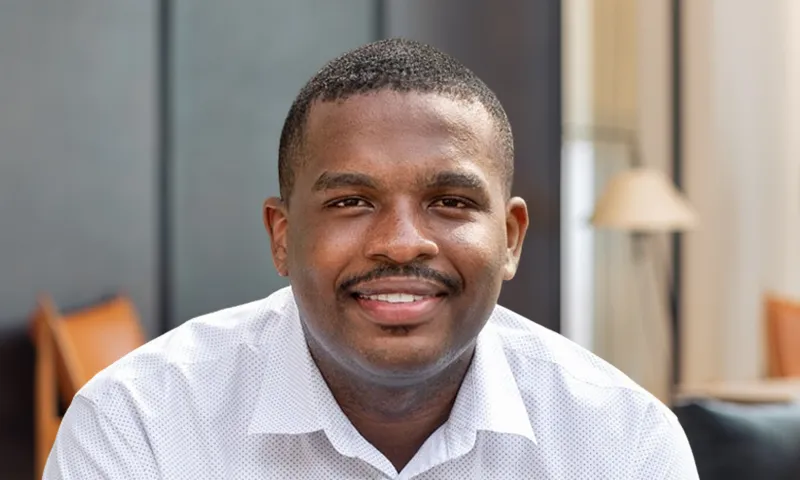
Jonathan Myrtil, MD
I take a collaborative approach to psychiatric care, integrating medication management with supportive therapy to provide well-rounded treatment. My primary focus is on treating adults with mood and anxiety disorders, PTSD, and ADHD. I prioritize patient involvement in treatment decisions, ensuring that care plans align with individual needs and goals.
I am a board-certified adult psychiatrist. I earned my medical degree from Ross University School of Medicine and completed my residency in Adult Psychiatry at the University of Central Florida, affiliated with North Florida Regional Medical Center. After completing my training, I remained at North Florida Regional as an adult psychiatrist and supervising physician, gaining experience treating patients in inpatient, outpatient, partial hospitalization, and intensive outpatient program (IOP) settings.
Patients meeting me for the first time can expect a thorough evaluation where I assess their symptoms, treatment history, and personal goals. I foster a supportive and collaborative environment, working closely with patients to create a personalized treatment plan that incorporates medication management and therapeutic interventions tailored to their specific needs.

Joyln Ferrell, MD
I focus on providing patient-centered care, emphasizing improving quality of life and helping patients reach their specific treatment goals. My approach integrates medication management with supportive therapy. I believe in a collaborative treatment process and may recommend additional therapy support when necessary to optimize outcomes. I take a cautious and limited approach to the use of controlled medications, ensuring responsible medication management.
I am a board-certified psychiatrist with specialized training in treating depression and anxiety disorders. I earned my medical degree from Howard University College of Medicine and also hold a doctorate in pharmacy from the University of Georgia. I completed my residency training in psychiatry at VA Boston/Harvard Medical School and gained significant clinical experience at McLean Hospital. Additionally, I completed a fellowship in psychoanalytic psychotherapy at Columbia University Center for Psychoanalytic Training and Research.
During the first visit, patients can expect a comprehensive assessment of their symptoms, medical history, and treatment goals. I take a thoughtful and individualized approach to care, working with patients to develop a treatment plan that incorporates medication management and supportive therapy. Follow-up visits typically last 20-30 minutes and focus on monitoring progress and adjusting treatment as needed. In some cases, I may recommend involving an additional therapist to further enhance the effectiveness of the treatment plan.

Justin O'Brien, MD
Justin O'Brien, MD has experience in both outpatient and inpatient psychiatry. He earned his medical degree from UT Southwestern Medical School and completed his residency through the UT Southwestern Psychiatry Residency Program.
Dr. O'Brien values hearing each patient's story and history. One of his favorite questions is, "What is the most important thing you think I should know about you?" He encourages patients to ask every question they have so they never leave with unanswered concerns.
Dr. O'Brien spends the beginning of a first visit getting to know each patient, understanding what brings them to care, and creating a comfortable environment. He encourages open communication throughout treatment so patients feel heard and involved in their care.

Justin Uzl, MD
I take a holistic approach to mental healthcare, combining medication management, psychotherapy, and lifestyle modifications to help my patients achieve a quality of life that allows them to pursue their goals. I see the position of the psychiatrist as helping to educate and guide patients, allowing them to take an active role in their own recovery. I believe diversity is a strength and embrace providing high quality services that affirm the dignity, worth, and value of all individuals, including the LGBTQ+ community. I take an evidence-based approach in my treatment of individuals suffering with depression, anxiety, trauma, difficulty focusing and concentrating, sleep issues, and interpersonal problems. I utilize insight-oriented care, believing that gaining understanding of a person's feelings, thoughts, and actions will provide them the knowledge needed to make the positive change they desire. Therapy may be a key part of a person's treatment, and if greater frequency is needed outside of our sessions, I will refer and collaborate with a psychotherapist to help maximize a patient's success.
I am double board-certified in adult and consultation liaison psychiatry. My fellowship training helped me gain greater insight into the interface between medicine and mental healthcare. I have been practicing for seven years and have worked closely with individuals with co-occurring chronic medical issues, specifically organ transplantation.

Karina Fatova, MD
I believe that my rapport with my patients, and our therapeutic work together, is just as important as the medication I prescribe to heal or alleviate their symptoms. I strongly believe that treatment decisions are best approached as a collaboration between patient and doctor. I employ psychodynamic therapy techniques, at times, to help those patients who would like to explore childhood experiences that may continue to impact them in their adult lives. With respect to medication management, I regularly help patients target symptoms such as sleep issues, nightmares, persistent worry, emotional dysregulation, frequent mood changes, impulsivity, and "toning down the nervous system," among others. I see young adults who are just starting their journey into adulthood, as well as adults who have been navigating life with challenges, which may include untreated, or poorly treated, mental health symptoms. Often, by the time I see a patient, they may have lost a significant amount of faith in their mental health doctors, and I am particularly attuned to helping individuals with this type of experience.
I am a board certified psychiatrist who hails from New York City but has made New Orleans my home for the past ten years. I am a graduate of Albert Einstein College of Medicine in Bronx, NY, and I completed my adult psychiatry residency at Tulane University in New Orleans, LA. I was proud to have my first position post-residency at the River Oaks Hospital Trauma Unit in New Orleans, LA, where I treated patients with Complex PTSD and eating disorders. The Trauma Unit was one of a few of its kind nationally because it provided very specialized treatment that was affordable to many. I then went on to work at the New Orleans Veterans Affairs Hospital for the last five years in its ambulatory outpatient mental health clinic. Though my passion is Complex Trauma/PTSD, I also regularly saw veteran patients who have been diagnosed with anxiety, depression, bipolar disorder, ADHD, and adjustment disorder. During my five years at the New Orleans VA, I received three special commendations from the director of the VA for feedback from my patients about my effective integrative approach to supportive psychotherapy and medication management.

Kimberly Ford, MD
I wholeheartedly believe that treating patients holistically is of high importance, with a focus on their physical, emotional, mental, and spiritual well-being. I have expertise in treating patients with mood disorders, anxiety, and PTSD, and I incorporate psychopharmacology when needed, as well as psychodynamic and supportive psychotherapy.
I completed my psychiatry residency training at Harvard University in Boston, Massachusetts. I have enjoyed treating patients for over 25 years in a variety of settings such as inpatient, outpatient mental health clinics, emergency room, and multidisciplinary clinics.

Krista Alexander, MD
I offer medication management and supportive psychotherapy for mood disorders, anxiety disorders, trauma, ADHD, substance use disorders, and other mental health issues. I strive to embody "relational prescribing" and believe that medication management is most effective in the context of a relationship of mutual trust, emotional safety, and shared decision-making between provider and patient. I have trained in psychodynamic psychotherapy and various forms of cognitive behavioral therapy, and I tailor my approach to each patient's individual strengths and needs. I understand that the needs of the whole person must be addressed in order to facilitate growth and healing, and I enjoy collaborating with fellow medical and mental health providers to address a patient's complex needs as an integrated team.
I am a board-certified psychiatrist who loves equipping my fellow human beings to feel and function better. I studied medicine at the University of Texas Southwestern Medical School and completed my residency at Duke University. I have worked in both private practice and integrated primary care/behavioral health care settings, and I am a member of the American Psychiatric Association and the North Carolina Psychiatric Association.
Find a psychiatrist in Raleigh, NC
Talkiatry psychiatrists are licensed in North Carolina and see Raleigh residents by video. If you have been searching for a psychiatrist in Raleigh, NC, care happens from home, on your schedule, with no commute and no local waitlist. Because visits are online, you are not limited to the psychiatrists who happen to have a Raleigh office.
Online psychiatry for Raleigh residents
You start by answering a few questions online about where you live, what you are dealing with, and your history. Talkiatry matches you with a psychiatrist licensed in North Carolina, and you meet by video from home.
First visits are 60 minutes, and follow-ups are usually about 30 minutes. That first hour gives you and your psychiatrist time to talk through what is going on and build a plan.
A psychiatrist has to be licensed in the state where you are during the visit. That is why this page is organized by state and city. As long as you are in North Carolina for your appointment, an online psychiatrist in Raleigh works the same as one down the street.
What a psychiatrist can help with
Psychiatrists at Talkiatry treat a range of conditions, including anxiety, depression, and ADHD. They also work with people who have bipolar disorder, OCD, PTSD, postpartum depression, insomnia, and substance use disorder.
Whether you want an ADHD psychiatrist in Raleigh or help with anxiety, care is matched to what you need.
Psychiatrists are medical doctors, so they can prescribe and manage medication when it fits your plan. Medication is prescribed when clinically appropriate and legally permissible; a prescription is never guaranteed, and some medications may not be available for online prescribing. Your psychiatrist will discuss options.
If you also want talk therapy, Talkiatry has therapists who work alongside your psychiatrist.
Does insurance cover a psychiatrist in Raleigh?
Talkiatry is in-network with major insurers, and your coverage is checked during the free assessment. Costs depend on your plan, so it is a good idea to confirm the details with your insurance company. If you have been looking for a psychiatrist in Raleigh that takes insurance, you can see your coverage before you book.
Mental health care in Raleigh
Access to psychiatric care is tight across North Carolina. The state has 218 federally designated mental health professional shortage areas, and only about 12.5% of its need for mental health practitioners is met. An estimated 256 more psychiatrists would be needed to remove those shortage designations, according to KFF.
Online psychiatry helps close that gap by connecting you with a North Carolina-licensed psychiatrist without a local wait.
Psychiatry across North Carolina
For the full list of psychiatrists licensed across the state, visit our North Carolina psychiatrist page. If you are closer to another metro, you can also see psychiatrists serving Charlotte.
Start with a free assessment
Talkiatry is a national psychiatry practice that makes it easier to get care from doctors who listen. Start by answering a few questions online, then get matched with a psychiatrist licensed in North Carolina.
From there you can schedule a video visit, often within days, and meet with your provider from home. First visits are 60 minutes, so there is time to talk through what is going on and build a treatment plan together. Talkiatry is in-network with major insurers, and you can check your coverage during the assessment.
Take our free online assessment
This page is for general education and is not medical advice. If you are in crisis or thinking about harming yourself, call or text 988 to reach the Suicide and Crisis Lifeline, or call 911.
Can I go straight to a psychiatrist?

In most cases, yes. You do not need a referral to book with a Talkiatry psychiatrist. You start with a short online assessment and get matched with a provider. Some insurance plans still ask for a referral, so it is worth checking your plan first.
What is the 3 month rule in mental health?
There is no single official "three-month rule" in psychiatry. The phrase usually points to the fact that some diagnoses depend on how long symptoms last. Clinicians often look at how many weeks or months certain symptoms have been present before naming a condition. A psychiatrist can walk you through what the timing means for your situation.
Do I have a mental illness or am I overreacting?
A page cannot answer that, but a psychiatrist can help you sort it out. If your mood, sleep, focus, or worry have changed in ways that affect daily life for more than a couple of weeks, that is worth looking at. Clinicians ask about your symptoms, how long they have lasted, and how much they affect you. Feeling unsure does not mean you are overreacting.
How do I get tested for mental disorders?
There is no single lab test for most mental health conditions. Diagnosis usually starts with an evaluation, where a psychiatrist asks about your symptoms, history, and daily life and rules out physical causes. At Talkiatry, that first visit is 60 minutes, so there is time to go through it carefully. You can also start with a free online screening tool and bring the results to your visit.